What defines eastern slovak cuisine for luxury‑minded travelers
Eastern Slovak cooking runs deeper and darker than many visitors expect. This part of Slovakia leans into paprika rich goulash, slow braised game and traditional food that feels built for long winters and long conversations. Families who plan trips around the table quickly realise that regional slovak cuisine here is less about showy plating and more about quiet excellence in a steaming soup or a humble potato dish.
The region sits where Hungarian, Rusyn and Ukrainian influences meet, so traditional Slovak recipes share space with stuffed cabbage, caraway scented broths and dumplings that would not feel out of place across the border. You taste this in venison goulash thickened with potato dumplings, in fried pirohy filled with sheep cheese and in sweet noodles dusted with poppy seeds and powdered sugar. For travelers used to lighter Bratislava food, the eastern table can feel like stepping into a different country within Slovakia.
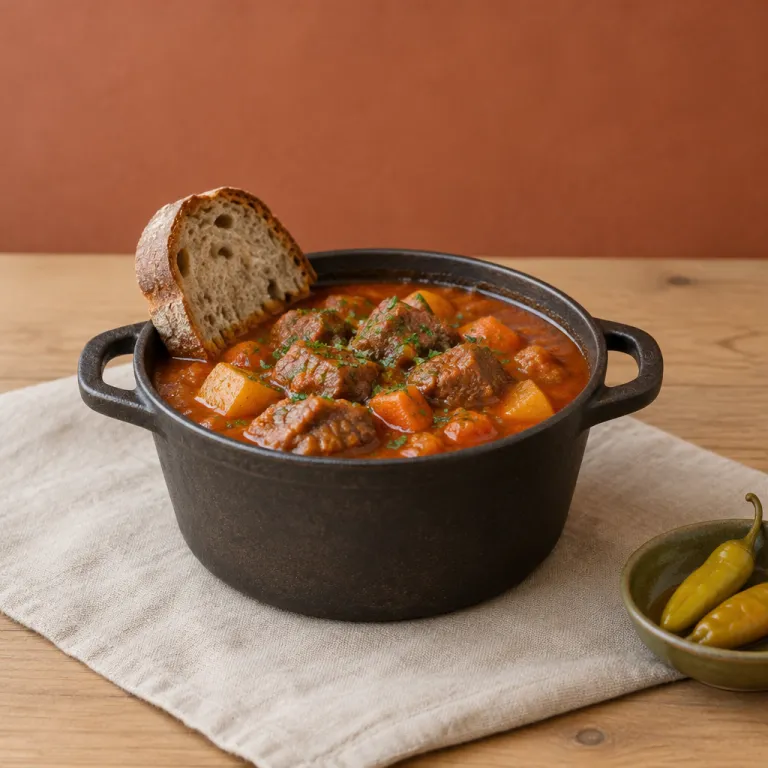
Luxury travelers often ask where to find the best expression of this hearty cuisine. In the east, the answer is rarely in polished city restaurants and more often in roadside motels, village guesthouses and rural salaš sheep farms where traditional slovak food is still served to locals first. Around Košice, for example, families might detour to Salaš Zlatá Podkova or Salaš Hrašovík after a day on forest trails, where a cook brings out a cast iron pot of slovak goulash and a plate of crisp potato pancakes rather than a tasting menu.
From bratislava to the goulash belt: planning a family food road
Most international guests land in Bratislava, where slovak cuisine already feels more refined and urban. Here you can ease children into slovak food with lighter takes on traditional dishes, then point the car east once everyone has a favourite food Slovakia memory. Think of the capital as your soft launch before the full flavour of the eastern slovak countryside.
As you leave Bratislava, the motorway carries you past vineyards and spa towns toward the lowlands and then the hills, and every service stop becomes a mini food tour of popular Slovak roadside classics. Parents can share a bowl of beef soup with homemade dumplings, while children try a small fried potato pancake or a plate of zemiakové placky with sheep cheese on the side. If you are curious about how chefs are reworking these flavours at the top end of the market, read our guide to the new Slovak kitchen and regional ingredients in fine dining before you go.
By the time you reach eastern Slovakia after the roughly 400 kilometre, four to five hour drive from the capital to Košice, children will already recognise the building blocks of traditional Slovak cooking, from milk cheese to paprika stews and halusky potato dumpling textures. This makes it easier to order confidently in rural restaurants, where menus might not always be translated but the welcome is warm. A family that has already shared bryndzové halušky in the west will be ready to compare versions of the national dish in the east and quietly decide which one feels like their personal best.
Country inns, salaš farms and the rhythm of rural meals
In eastern Slovakia, the most characterful meals rarely happen in polished hotel dining rooms. They unfold in low ceilinged country inns, timbered salaš farmsteads and family run lodges where traditional food is cooked for neighbours first and travelers second. For a premium family, this is where slovak cuisine becomes a lived experience rather than a checklist.
A salaš is a working sheep farm that often serves traditional Slovak dishes built around sheep milk and sheep cheese, and it is here that many visitors taste their first truly rustic bryndzové halušky. The halusky potato dumplings arrive in a wide bowl, served with tangy bryndza cheese and usually topped with crisp fried bacon, and the effect is both rich and surprisingly nuanced. Children often enjoy the texture of the potato dumplings, while adults appreciate how this national dish anchors the whole story of slovak food in one plate.
Luxury hotels in the region increasingly understand that their guests want this salaš authenticity alongside spa pools and polished service, so many now partner with nearby farms or stage their own versions of a countryside feast. Breakfast becomes a quiet test of quality, and our guide to how Slovak luxury hotels handle the first meal of the day is a useful lens before you book. When you see local milk cheese, fresh potato pancakes and a daily soup on the buffet, you know the kitchen takes food Slovakia seriously.
The family friendly side of hearty slovak food
Parents sometimes worry that hearty eastern slovak cuisine will overwhelm younger palates. In practice, the building blocks of slovak food are comfortingly familiar to most children, from mashed potato textures to mild cheese and simple fried treats. The key is to treat every stop on your food tour as a chance to share plates and adjust portion sizes.
Start with brothy soup and plain dumplings, then move toward more robust traditional dishes once everyone is relaxed and hungry. A single order of zemiakové placky or a crisp potato pancake can be cut into wedges for the table, while a bowl of halusky potato dumplings with sheep cheese can be split between two children. Many restaurants in eastern Slovakia are used to families, so it is easy to ask for extra plates or to have a dish served without bacon if that suits your group better.
Dessert is where popular Slovak flavours really charm younger travelers, especially anything with poppy seeds or powdered sugar on top. Think of sweet noodles or dumplings filled with jam, then rolled in ground poppy seeds and finished with a snowfall of powdered sugar, or simple fried dough bites that echo doughnuts. If you want a break from heavy meals, many luxury properties in spa towns such as Rajecké Teplice balance wellness menus with regional favourites, and our feature on how a small Slovak spa town delivers a deep reset shows how to weave that into a longer itinerary.
Driving the eastern loop: an illustrative route through the goulash belt
Think of eastern Slovakia as a loose loop rather than a strict itinerary. You might start near Košice, head north toward the hills, then swing east toward wooden churches and small valleys where traditional food still anchors village life. Along the way, the rhythm of your day naturally falls into drives between meals, short walks and unhurried stops at country inns.
Midday is the ideal time to seek out a salaš or roadside lodge, when the kitchen is at full tilt and slovak cuisine feels most alive. Order a goulash served with potato dumplings or bread, then add a plate of zemiakové placky or another style of potato pancakes for the table, and notice how each cook handles the balance of garlic, marjoram and fat. In the evening, look for smaller restaurants where a single dish might be the house pride, such as stuffed cabbage or a particular version of bryndzové halušky that locals quietly call the best in the valley.
As you drive, you will see how food Slovakia changes subtly from village to village, even when the menu names stay the same. One cook might favour more sheep milk tang in their sheep cheese, while another leans into smoked meats or a lighter hand with paprika in the soup. The pleasure for a premium family lies in these small comparisons, in the way a popular Slovak classic like halusky potato dumplings can feel new again when served in a different valley with a different view.
Wine, spirits and what to drink with hearty slovak dishes
Eastern slovak cuisine pairs naturally with drinks that can stand up to richness. Local winemakers work with cool climate grapes that bring freshness to the table, while small distilleries turn orchard fruit into clear spirits that locals sip slowly after heavy meals. For luxury travelers, tasting these alongside traditional Slovak dishes is part of understanding how food Slovakia fits into the wider Central European map.
With goulash or game, look for regional red wines that echo the paprika and smoke without overwhelming the dish. Lighter whites work well with sheep cheese based plates such as bryndzové halušky, especially when the halusky potato dumplings are rich and the bryndza cheese is assertive, and a small glass of fruit spirit can be a fitting end to a long lunch. Parents can enjoy these while children focus on sweet endings such as dumplings filled with fruit and dusted in poppy seeds and powdered sugar, or a shared plate of fried potato pancakes that bridge savoury and dessert.
Non drinkers are well served too, because many rural restaurants still make their own syrups and herbal teas that match the mood of traditional food. A mug of mountain herb tea beside a bowl of steaming soup feels as rooted in slovak life as any glass of wine, and children often enjoy homemade raspberry or elderflower cordials. However you pair your drinks, the point is to let them support rather than overshadow the popular Slovak classics on the table, from the national dish to whatever slovak food special the kitchen is proudest to have served that day.
Key figures on slovak cuisine and travel in eastern slovakia
- According to the Slovak Tourism Board, domestic and international visitors made more than 6 million overnight stays in Slovakia in the most recent reported year, with eastern regions steadily increasing their share as travelers seek rural food experiences and traditional Slovak hospitality.
- Data from the Slovak Statistical Office shows that restaurants and food services account for roughly 20 percent of total tourism related spending in Slovakia, underlining how central slovak cuisine and slovak food are to the travel economy.
- Surveys by regional tourism organisations indicate that more than half of foreign visitors rate tasting traditional food such as bryndzové halušky, goulash and potato pancakes as a primary motivation for visiting rural Slovakia, especially in the east.
- Wine producers in Slovakia cultivate around 20 000 hectares of vineyards, with eastern areas contributing a smaller but growing share as interest in pairing local wines with hearty food Slovakia rises among international guests.
FAQ: eating through eastern slovakia's country kitchens
What is the national dish of slovakia and how is it served in the east ?
The national dish of Slovakia is bryndzové halušky, small halusky potato dumplings made from grated potato and flour, mixed with tangy bryndza sheep cheese. In eastern regions, it is typically served in generous portions, often topped with crisp fried bacon or sausage, and the flavour can be slightly stronger because of the local sheep milk cheeses. Families can easily share one bowl, making it an accessible way to experience core slovak cuisine.
Are eastern slovak dishes too heavy for children ?
While eastern slovak food is hearty, many dishes adapt well for younger diners. Simple soup with noodles, plain potato dumplings or zemiakové placky without toppings and sweet dumplings filled with fruit and powdered sugar are all child friendly. Portion sizes in rural restaurants are usually large, so sharing plates is the easiest way to keep meals comfortable.
How can I find authentic country inns and salaš farms in eastern slovakia ?
The most reliable way to find authentic country inns and salaš farms is to ask at your hotel or guesthouse, because staff usually know which places focus on traditional food for locals rather than only tourists. Regional tourism offices and official destination websites also maintain up to date lists of rural restaurants that specialise in traditional Slovak dishes such as goulash, stuffed cabbage and potato pancakes. When driving, look for signs mentioning salaš or bryndza, which often indicate a focus on sheep cheese and slovak cuisine.
What should I expect to pay for meals in eastern slovakia compared with bratislava ?
In general, meals in eastern Slovakia cost less than in central Bratislava, especially in rural areas where overheads are lower and food Slovakia relies on local ingredients. You can usually order a hearty main dish such as goulash with potato dumplings or bryndzové halušky for noticeably less than a comparable plate in the capital, even in well regarded restaurants. Luxury hotel dining rooms may price closer to Bratislava food levels, but countryside inns remain excellent value for families.
Is it necessary to book restaurants in advance when touring eastern slovakia with a family ?
In smaller towns and villages, many country inns operate on a walk in basis, especially at lunchtime, so advance bookings are often not essential. However, during peak holiday periods or when staying at popular spa or mountain resorts, it is wise to reserve dinner tables at hotel restaurants or well known salaš venues, particularly if your family wants to try specific traditional Slovak dishes. Calling ahead also allows kitchens to prepare for dietary needs while still presenting authentic slovak cuisine and popular Slovak classics.