The taste of slovak food at the luxury hotel table
Slovak food in high end hotels is no longer an afterthought. In the best dining rooms across Slovakia, chefs treat sheep cheese and other slovak dishes with the same precision they give to champagne lists and marble lobbies. For a traveler choosing where to stay, the way a property handles slovak cuisine quietly signals how seriously it takes the whole experience.
Start in Bratislava, where bratislava food culture has moved well beyond heavy plates of meat and cabbage. The most interesting hotel restaurants now build tasting menus around traditional slovak ingredients such as sheep milk, bryndza and seasonal vegetables, then frame them with natural wines from the Small Carpathians. You still find the national dish of bryndzové halušky on many menus, but the best kitchens refine the halušky potato dumplings, lighten the sour cream and treat the sheep cheese almost like a grand cru ingredient.
In these dining rooms, slovak food becomes a narrative rather than a single rustic dish. A chef might open with a clear cabbage soup reworked as a delicate consommé, followed by a small plate of fried potato pancakes topped with whipped milk cheese and chives. Dessert could nod to traditional food with a sweet dumpling filled with poppy seeds, plated with the kind of restraint you expect in a serious European capital.
For luxury travelers, this approach to slovak cuisine matters because it shapes how you move through Slovakia. A hotel that can explain the difference between fresh sheep cheese and aged smoked cheese, or between a potato pancake and potato dumplings from another region, is usually the one that can also arrange a thoughtful food tour into the countryside. When you plan a stay, read menus in advance and look for slovak dishes that name producers, specify sheep milk or cow milk, and reference regions rather than just generic food slovakia clichés.
The slovak cheese family: from bryndza to smoked ostiepok
Understanding slovak food at a higher level starts with understanding its cheeses. Bryndza, the soft, tangy sheep cheese that anchors so many slovak dishes, is only one member of a wider slovak cheese family that rewards slow, attentive tasting. When you book a premium hotel in Slovakia, ask whether the kitchen can prepare a cheese course that moves from fresh to smoked styles, ideally paired with local wines from the Small Carpathians.
Bryndza itself is central to traditional slovak cooking, especially in bryndzové halušky, where it coats potato dumplings with a rich, salty creaminess. In its best form, this national dish balances the sweetness of halušky potato dough, the acidity of fermented sheep milk and the fat of crisp fried bacon, then finishes with a spoon of sour cream. Luxury properties in Bratislava and the Tatra foothills often reinterpret this traditional food as a smaller, more elegant dish, sometimes swapping meat for wild herbs or mushrooms while keeping the core bryndza flavor.
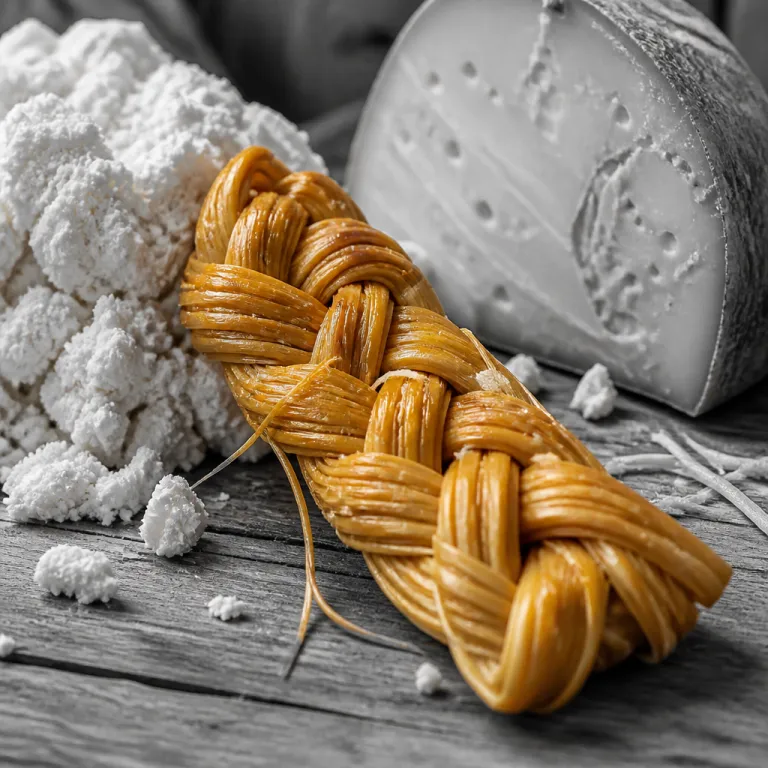
Beyond bryndza, you will encounter ostiepok, a firm smoked sheep cheese often shaped like a spindle or small loaf. Good versions have a thin golden rind, a gentle smoked aroma and a milky center that pairs beautifully with a glass of structured white from the Modra area, where a focused weekend of Slovak wine tasting around cellar villages can easily anchor a trip. Related cheeses, sometimes simply called smoked cheese, may blend sheep milk and cow milk, and they work well shaved over warm potato pancakes or served alongside cabbage based salads.
Then there are the playful shapes that make slovak cuisine so distinctive on the cheese front. Parenica comes as a coiled ribbon, while korbáčiky are thin braids, both usually made from steamed and stretched milk cheese that can be either fresh or smoked. On a hotel cheese board, these are the pieces that invite you to eat with your hands, tear off strands, and notice how even a simple fried potato pancake or a bowl of soup changes when you add a strip of smoked braid on top.
Salas culture: tasting sheep milk cheese where it is made
To understand why slovak food tastes the way it does in the city, you need at least one day in the mountains. A salaš, the traditional slovak sheep farm and seasonal hut, is where sheep milk becomes bryndza, fresh cheese and sometimes butter, usually in simple wooden buildings above the tree line. Many luxury hotels in the High Tatras or Low Tatras now arrange guided visits, turning a rustic stop into a curated food tour that still respects local rhythms.
At a good salaš, you taste sheep cheese that has traveled only a few meters from vat to table. The fresh milk cheese is often served plain, with bread and maybe a slice of fried bacon or cured meat, while more mature cheeses show how time and salt transform the same sheep milk into something denser and more complex. Some places will also offer a simple soup, perhaps a light cabbage broth or a potato based dish, reminding you how tightly slovak cuisine links dairy, vegetables and grain.
Respect is non negotiable in these spaces, especially when they double as working farms rather than tourist restaurants. Ask your hotel to brief you on etiquette, including where you can walk, when you can photograph and how to buy cheese directly without disrupting the daily activity. If you are staying in a spa focused property that already curates seasonal menus, such as those highlighted in guides to Tatras foraging and wild mushroom dining, the concierge will usually know which salaš offers the most authentic yet comfortable experience.
From a luxury perspective, the salaš visit is less about rustic charm and more about context. When you later sit down in Bratislava for a plate of bryndzové halušky or a refined potato pancake topped with sour cream and herbs, you remember the smell of sheep, the sound of bells and the texture of still warm cheese. That memory turns a familiar slovak food dish into a personal story, and it is exactly the kind of detail that separates a generic trip to Slovakia from a thoughtfully planned journey through slovak cuisine.
Pairing slovak cheeses with wines and classic dishes
Luxury hotels in Slovakia increasingly treat cheese pairing as seriously as any tasting menu. The best sommeliers understand that slovak food, especially cheese driven slovak dishes, needs wines with enough acidity and structure to cut through fat without overwhelming delicate sheep milk flavors. When you book, ask whether the property offers a guided cheese and wine tasting, ideally featuring both bryndza and smoked cheeses alongside regional bottles.
For fresh bryndza, a crisp white from the Small Carpathians works beautifully, especially when the cheese appears in a lightened version of bryndzové halušky. In this context, the halušky potato dumplings might be smaller, the meat component reduced or replaced, and the sour cream used more sparingly, allowing the wine to lift the dish. When bryndza is folded into a spread served with warm bread, pickles and perhaps a spoon of cabbage based salad, a young, aromatic white keeps the whole plate feeling bright rather than heavy.
Smoked cheeses such as ostiepok or braided korbáčiky call for something with more grip. Here, a structured white or even a lighter red from the same hills that frame Bratislava can stand up to the smoked rind and the richness of sheep cheese, especially when served with fried potato pancakes or grilled meat. In some hotel restaurants, you will also see cheese paired with sweet elements such as honey or fruit compote, which echo the sweet notes you sometimes find in poppy seed desserts or in a simple sweet dumpling.
Cheese also threads through many other expressions of slovak cuisine beyond the obvious national dish. Think of a clear soup finished with a small dumpling filled with milk cheese, or a plate of potato pancakes topped with shredded smoked cheese and a spoon of sour cream, served alongside braised cabbage and roasted meat. When a hotel kitchen understands how to balance these components, slovak food becomes a coherent culinary language, and your tasting menu feels like a guided tour through food slovakia rather than a random collection of heavy plates.
Seasonality, timing and where luxury hotels fit in
Cheese in Slovakia follows the rhythm of the mountains, and your timing matters. The most expressive sheep milk cheeses usually appear from late spring through early autumn, when flocks graze on high pastures and salas culture is in full swing. If slovak food is a priority, plan your stay in this window and choose hotels that highlight seasonal slovak cuisine rather than offering the same menu all year.
In Bratislava, bratislava food culture now reflects this seasonality more clearly, with top kitchens adjusting their cheese boards and slovak dishes as the months change. Early in the season, you might find very fresh milk cheese served simply with herbs, while later menus lean into more mature smoked cheese, hearty cabbage dishes and richer meat preparations. Even classic potato dumplings and potato pancakes shift slightly, with lighter accompaniments in warmer months and more substantial, sometimes fried garnishes when the air cools.
Outside the capital, spa towns and mountain resorts are particularly well placed to showcase seasonal slovak food. Properties that cater to longer stays, including those in spa destinations highlighted in guides to executive friendly Slovak spa hotels, often build weekly cheese tastings or small food tour style excursions into their programming. These might combine a visit to a salaš, a walk through vineyards and a dinner where bryndza, sheep cheese and other milk cheese products appear in multiple courses.
For the solo traveler, this seasonality offers a clear planning advantage. You can align your booking with the period when traditional slovak cheese production peaks, then layer in experiences such as a guided tasting of national dish variations, a workshop on making halušky potato dumplings, or a market visit focused on poppy seeds, cabbage and other staples of food slovakia. The result is a trip where slovak food is not just something you eat between meetings or hikes, but the framework around which you design your entire stay.
How to read menus and plan a cheese led itinerary
Once you start paying attention, menus in Slovakia become maps. The language around slovak food tells you whether a restaurant is simply reheating traditional food or engaging deeply with slovak cuisine and its cheese culture. In luxury and premium hotels, that difference often separates a forgettable dinner from a stay that feels genuinely rooted in place.
Look first for specificity, especially when it comes to sheep cheese and milk cheese. A menu that simply lists "cheese" on a potato pancake or in a soup is less promising than one that names bryndza, smoked sheep cheese or a particular style of fresh cheese. When you see bryndzové halušky described with detail about the potato dumplings, the source of the sheep milk and the balance of sour cream, you are usually in good hands.
Next, pay attention to how traditional slovak dishes are framed. Are cabbage and meat simply piled on a plate, or are they integrated into a composed dish where fried elements, sweet notes and fresh herbs all have a role ? A thoughtful kitchen might, for example, serve a small portion of the national dish alongside a lighter salad, or reinterpret potato dumplings as a refined starter with a foam of sheep cheese and a dusting of dried poppy seed. These touches show respect for slovak food without turning it into a caricature.
Finally, use hotel concierges as allies in building a cheese led itinerary through Slovakia. Ask them to recommend bratislava food spots that focus on slovak dishes, to arrange a food tour that includes both markets and salas visits, and to secure tables at restaurants where slovak cuisine is treated as a living, evolving tradition. When you leave, you will not only have eaten very well ; you will also understand how potato, cabbage, meat, dumplings, poppy seeds and above all sheep milk cheese weave together into the fabric of slovak food.
Key figures for slovak cheese and gastronomy focused travel
- According to the Slovak Ministry of Agriculture, sheep and goat farms in Slovakia produced over 13 000 tonnes of milk in a recent season, underlining how central sheep milk is to slovak cuisine and cheese making.
- Data from the Slovak Tourism Board indicate that food motivated visitors now represent roughly one fifth of leisure travelers to Slovakia, with slovak food and wine experiences cited as a primary reason for choosing the country.
- Official statistics from the National Wine Salon of the Slovak Republic show that Small Carpathian wineries consistently account for around 40 % of the wines selected for the national collection, reinforcing their importance for cheese pairing itineraries.
- Surveys by regional tourism offices in the High Tatras report that guided farm and salaš visits have grown by more than 30 % over the last decade, reflecting rising interest in traditional slovak cheese production among international guests.
FAQ about slovak cheeses and luxury hotel dining
Is bryndza safe to eat for travelers not used to raw milk cheeses ?
Bryndza sold through reputable restaurants and hotels in Slovakia must comply with European Union food safety regulations, which set strict standards for production and storage. Many versions are made from pasteurized sheep milk, while traditional raw milk styles are handled carefully and served fresh. If you are unsure, ask your server which type they use and choose pasteurized options if you have a sensitive stomach.
Can vegetarians enjoy slovak food focused on cheese without eating meat ?
Yes, especially in higher end hotels and restaurants that are used to international guests. While many traditional slovak dishes combine cheese with meat, such as bryndzové halušky topped with bacon, chefs can usually prepare versions without meat or suggest alternatives like potato pancakes with sheep cheese and vegetables. Always specify your preferences clearly, and you will still experience much of slovak cuisine through dairy, cabbage, potatoes and seasonal produce.
When is the best time of year to plan a cheese centered trip to Slovakia ?
The most rewarding period for tasting sheep milk cheeses at their peak generally runs from late spring to early autumn, when flocks graze on high pastures and salas farms operate fully. During these months, you can combine city based bratislava food experiences with mountain visits and outdoor dining. Winter menus lean more heavily on smoked cheese, meat and cabbage, which can also be appealing if you enjoy richer slovak food.
Do luxury hotels in Slovakia offer structured cheese and wine tastings ?
Many upscale properties, particularly in Bratislava, the Small Carpathians and spa towns, now offer curated tastings that highlight slovak cheeses alongside regional wines. These sessions often include bryndza, smoked sheep cheese and fresh milk cheese, paired with whites and lighter reds from nearby vineyards. When booking, ask the hotel directly about their slovak cuisine experiences, as some tastings are seasonal or require advance reservation.
How can I make sure my stay supports traditional slovak producers ?
Choose hotels and restaurants that name their suppliers on menus or in room information, especially for cheese, wine and meat. When possible, buy sheep cheese or other slovak food products directly from farm shops, markets or salas outlets recommended by your hotel, rather than from anonymous supermarket brands. This approach keeps more value in rural communities and helps preserve the traditional food culture that makes traveling through Slovakia so distinctive.