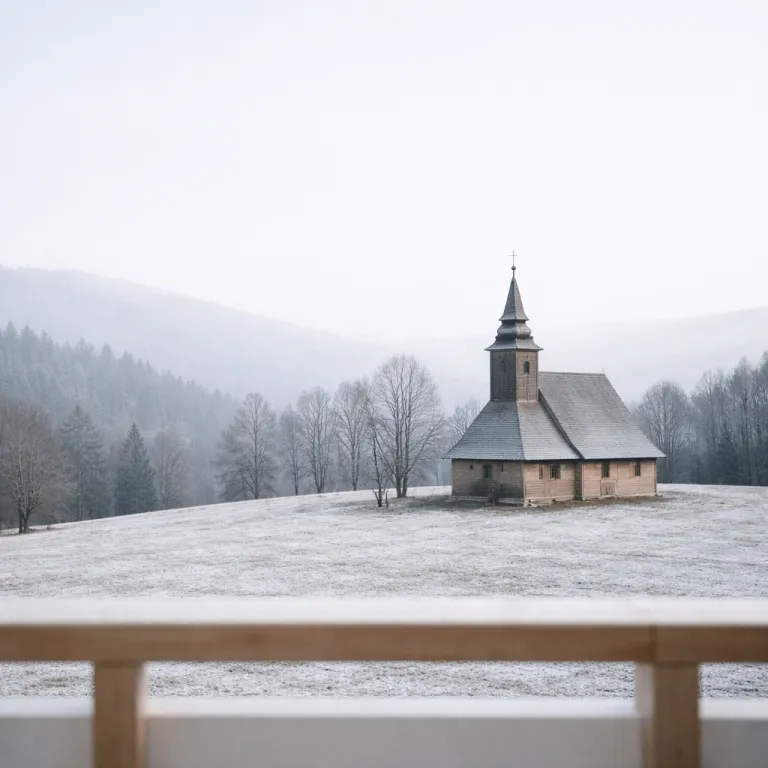
Slovakia wooden churches UNESCO: why they matter for luxury travellers
Slovakia’s wooden churches UNESCO ensemble is one of Central Europe’s most under-visited cultural treasures. The eight wooden churches on the UNESCO World Heritage List sit in a wider network of around sixty historic wooden churches Slovakia has preserved, scattered across the Slovak Carpathian mountain area and still used for religious life. For a solo explorer used to Kraków’s crowds, this mix of quiet ritual, Slovak heritage and near-empty sanctuaries feels almost unreal.
The official name is the Wooden Churches of the Slovak Carpathians, and they form a single heritage site recognised for their wooden religious architecture and coexistence of different confessions. According to the UNESCO listing, the group includes the Roman Catholic churches of Hervartov and Tvrdošín, the Protestant articular churches of Kežmarok, Hronsek and Leštiny, and the Greek Catholic churches of Bodružal, Ladomirová and Ruská Bystrá. These UNESCO-listed wooden sanctuaries are not open-air museums but living churches Slovak communities maintain, where a Greek Catholic liturgy in one village might follow a Roman Catholic Mass in the next.
Each wooden church was built between the sixteenth and eighteenth century, using traditional carpentry with timber sourced from the surrounding Carpathian mountain forests and with joints typically secured by wooden pegs rather than metal fixings. Inside, you move from geometric painted ceilings to floral frescoes, from a baroque altar to a modest organ perched above creaking floorboards. For travellers who value cultural depth as much as thread count, this UNESCO heritage circuit in eastern Slovakia offers a rare combination of authenticity, architectural detail and near-total absence of tour buses.
Architecture in plain language: how to read a Slovak wooden church
Standing outside a Slovak wooden church in a small village, the first thing you notice is proportion. The towers of these wooden churches rise lightly above the roofs, their shingled skins silvered by centuries of wind in the Slovak Carpathian mountain area. Each church was built with hand tools, the timber joinery locked together by wooden pegs and dovetail joints rather than nails.
Inside, the language of the altar and walls shifts with confession and century, yet the cultural dialogue is constant. Greek Catholic churches in eastern Slovakia, such as the one in Ruská Bystrá, carry iconostases layered with saints, while a Roman Catholic or Catholic wooden nave in Hervartov or Tvrdošín focuses your gaze on a single painted altar and side chapels. Protestant articular church buildings like Kežmarok or Hronsek, part of the wooden articular tradition, open into wide preaching halls where galleries wrap around the space and the organ dominates the rear wall.
Look up and you see painted ceilings where floral motifs meet geometric borders, a visual echo of both Latin and Byzantine influences in this cultural frontier. Frescoes in some churches Slovakia has preserved show scenes from the life of Saint Nicholas or other saints, while Orthodox churches across the border share similar iconographic programmes. For travellers who enjoy historic properties, the layering of styles here rivals many castle interiors, and pairing a night in a restored manor from a curated guide to castle hotels in Slovakia with a day among these wooden churches makes a coherent, heritage-rich itinerary. When selecting images, consider alt text such as “interior of Greek Catholic wooden church in Bodružal with iconostasis” or “UNESCO wooden church of Hervartov exterior in winter light” to keep your visual notes organised.
Three confessions, eight churches: where to go and how they differ
The Slovakia wooden churches UNESCO group is split across three confessions, and understanding this helps you choose where to focus. Greek Catholic wooden churches in eastern Slovakia include Ruská Bystrá, Ladomirová and Bodružal, all in the mountain area close to the Ukrainian border and all still active religious centres. Their interiors are dense with icons, the iconostasis forming a wooden altar wall that separates nave from sanctuary and glows with gold leaf under low light.
Roman Catholic churches Slovakia contributed to the heritage list include Tvrdošín and Hervartov, the latter near Bardejov, and they feel closer to the Gothic and Baroque stone churches you may know from elsewhere in Europe. Here the main altar often dates from a later century than the structure itself, with painted panels, carved saints and sometimes a side chapel dedicated to Saint Nicholas or the Virgin Mary. These Catholic church interiors show how Catholic wooden architecture could absorb European artistic trends while remaining rooted in local carpentry traditions.
The Protestant articular church buildings at Kežmarok, Hronsek and Leštiny tell a different story again, shaped by strict rules that once governed where and how non-Catholic communities could build. Each articular church had to be built outside the main village, entirely from wood and often within a single year, which explains their bold, hall-like plans and the extensive use of galleries. Together, these eight UNESCO wooden sites illustrate how Slovak heritage evolved across confessional lines, with Orthodox churches in neighbouring regions adding another layer to the broader Carpathian religious landscape.
A five day eastern Slovakia loop: from Bardejov base to ruska bystra
For a solo explorer with five days, the most rewarding Slovakia wooden churches UNESCO loop anchors on Bardejov, a walled town whose pastel square and spa quarter offer a comfortable base. Day one can be spent settling into a higher-end guesthouse or small design-forward hotel in town, then visiting Hervartov’s Roman Catholic wooden church in the nearby hills before returning for dinner in Bardejovské Kúpele. This pattern lets you balance cultural intensity with slow evenings, a rhythm that suits independent travellers who prefer depth over box ticking.
Suggested five-day route:
- Day 1 – Bardejov and Hervartov: Arrive in Bardejov, check into a characterful hotel or spa property, explore the historic centre, then drive about 15–20 minutes to Hervartov’s Church of Saint Francis of Assisi. In summer, the church is typically open by arrangement with the local warden between late morning and mid-afternoon; expect a short explanation in Slovak or basic English. Return to Bardejovské Kúpele for a relaxed dinner and spa time.
- Day 2 – Ladomirová and Bodružal: Drive east into the mountain area towards Ladomirová and Bodružal, where Greek Catholic wooden churches sit on grassy slopes above their villages. The road winds through forested Carpathian mountain ridges, and you quickly understand why these churches Slovak communities built feel so anchored to landscape and weather. In Bodružal, a noticeboard by the gate usually lists a phone number for the key holder; calling a few hours ahead is appreciated. Overnight in Svidník or Stropkov, where accommodation is simpler but comfortable.
- Day 3 – Ruská Bystrá: Continue deeper into eastern Slovakia towards Ruská Bystrá, the most remote of the UNESCO wooden churches and a place where the village seems to fold around the churchyard. Here the Greek Catholic liturgy still shapes weekly life, and the wooden church stands as both heritage site and working parish. Stay locally or return towards Sobrance or Michalovce for the night.
- Day 4 – Back via Bardejov: Drive back west, revisiting Bardejov or adding a stop in Leštiny or Tvrdošín if your route allows, then continue towards the High Tatras for mountain air and spa hotels.
- Day 5 – High Tatras to Bratislava: Spend a final morning in the High Tatras before heading to Bratislava or Vienna, where you might reward yourself with an elegant stay at a central property such as the Radisson Blu Carlton Hotel, booked through a trusted luxury platform, before or after your Carpathian circuit.
Practicalities, opening hours and where luxury fits into the picture
Visiting the Slovakia wooden churches UNESCO ensemble is less about turnstiles and more about village rhythms, which is part of the appeal. Many churches Slovakia has on the heritage list operate on a warden system, where a local key holder opens the building on request, often for a modest fee that supports maintenance. You usually find a phone number on the church door or noticeboard, and calling ahead by a few hours is both polite and practical.
Summer brings the most reliable weather in the Carpathian mountain region, and the advice to “Visit during summer for favorable weather” remains sound for solo travellers planning longer loops. You should also “Check local guidelines for visiting hours” and “Respect religious practices during visits,” especially on Sundays and feast days when a Catholic church or Greek Catholic parish will be busy with services. Dress modestly, avoid flash photography during any religious activity and remember that even the most photographed wooden articular building is first a place of worship.
Luxury in this context is less about marble lobbies and more about time, privacy and thoughtful logistics, because mid-range and premium hotels are still thin on the ground in eastern Slovakia. Many travellers choose to pair nights in heritage-rich cities or spa towns with day trips into the Slovak Carpathian countryside, using high-quality urban bases and private drivers to reach each wooden church on their list. If you enjoy historic stays, combining these churches with a night or two in carefully restored properties highlighted in specialist guides to castle hotels in Slovakia creates a coherent cultural arc that runs from stone fortresses to shingled sanctuaries.
In terms of orientation, most visitors rely on a rental car, as public transport between villages can be sparse. Bardejov and Svidník are reachable by bus from Košice and Prešov, while Kežmarok and Tvrdošín sit near main rail lines serving the High Tatras region. Driving times between individual churches are usually 20–60 minutes, but narrow roads and mountain weather mean you should allow extra time and avoid rushing from site to site.
Choosing your base: from Bratislava elegance to Carpathian quiet
Planning a Slovakia wooden churches UNESCO journey starts with choosing the right bases, because driving times in the Slovak Carpathian region can be longer than maps suggest. Many solo explorers fly into Bratislava or Vienna, spend a night or two in the capital at a central luxury address, then move east by rental car or train. This split allows you to enjoy refined service and strong restaurant options before shifting into a slower, more rural rhythm among wooden churches and mountain villages.
In Bratislava, a stay on or near Hviezdoslavovo námestie places you within walking distance of the castle, the Danube embankment and the Old Town’s better wine bars. From here you can arrange a car and head northeast towards Bardejov, breaking the journey in the High Tatras where upscale spa hotels offer saunas, pools and views of the Carpathian mountain skyline. Once in eastern Slovakia, expect simpler accommodation in smaller towns, where the luxury is often a quiet room, a generous breakfast and the ability to reach a wooden church in a nearby village before any other visitors arrive.
For travellers used to dense museum itineraries, the spacing of these UNESCO wooden sites encourages a different pace, with one or two churches Slovakia has on the heritage list visited each day and long lunches in between. You might spend a morning in a Greek Catholic church like Ruská Bystrá, an afternoon in a Roman Catholic wooden nave near Bardejov, then return to a terrace for local wine and bryndzové halušky. This balance of cultural immersion and unhurried evenings is where Slovak heritage travel quietly excels, especially for independent guests who value authenticity over spectacle.
FAQ
What are the Wooden Churches of the Slovak Carpathians exactly ?
The Wooden Churches of the Slovak Carpathians are eight wooden churches in the Carpathian mountain area of Slovakia, recognised as a single UNESCO World Heritage Site. They include Greek Catholic, Roman Catholic and Protestant articular church buildings, all constructed between the sixteenth and eighteenth century using traditional carpentry techniques. These churches remain active religious centres and represent an important part of Slovak cultural and architectural heritage.
How many wooden churches are there in Slovakia overall ?
While only eight wooden churches form the official Slovakia wooden churches UNESCO ensemble, UNESCO and Slovak heritage surveys indicate that Slovakia has around sixty historic wooden churches in total. Many of these stand outside the formal heritage list but still serve local communities as parish churches. Travellers interested in cultural routes can therefore combine the UNESCO wooden sites with lesser-known churches Slovak villages maintain across the country.
Which wooden churches are easiest to visit on a short trip ?
For a short itinerary, Hervartov near Bardejov and Tvrdošín are among the more accessible Roman Catholic wooden churches, while Kežmarok’s large Protestant articular church pairs well with a stay in the High Tatras. Greek Catholic sites such as Ladomirová and Bodružal require more driving but can still fit into a three or four day loop from a base in eastern Slovakia. Ruská Bystrá is the most remote wooden church in the UNESCO heritage group and suits travellers with extra time.
Do I need to book visits to the churches in advance ?
Most Slovakia wooden churches UNESCO sites operate with local wardens who open the church on request rather than through central ticketing. In practice, this means you should check local information, call the listed phone number and arrange a time, especially outside peak summer. Larger churches Slovakia promotes more actively, such as Kežmarok, may have more regular opening hours, but advance contact is still wise for solo travellers.
Are these churches suitable for non religious visitors interested mainly in architecture ?
Yes, the UNESCO wooden churches welcome visitors interested in architecture, history and art, provided they behave respectfully. The blend of timber construction, painted interiors, altar design and iconography offers rich material even if you are not religious. Remember that each wooden church is first a place of worship, so modest dress, quiet behaviour and sensitivity during services are essential.
Sources and credits: based on the UNESCO World Heritage Centre entry “Wooden Churches of the Slovak Carpathians” and publicly available information from Slovak heritage authorities and local tourism boards.