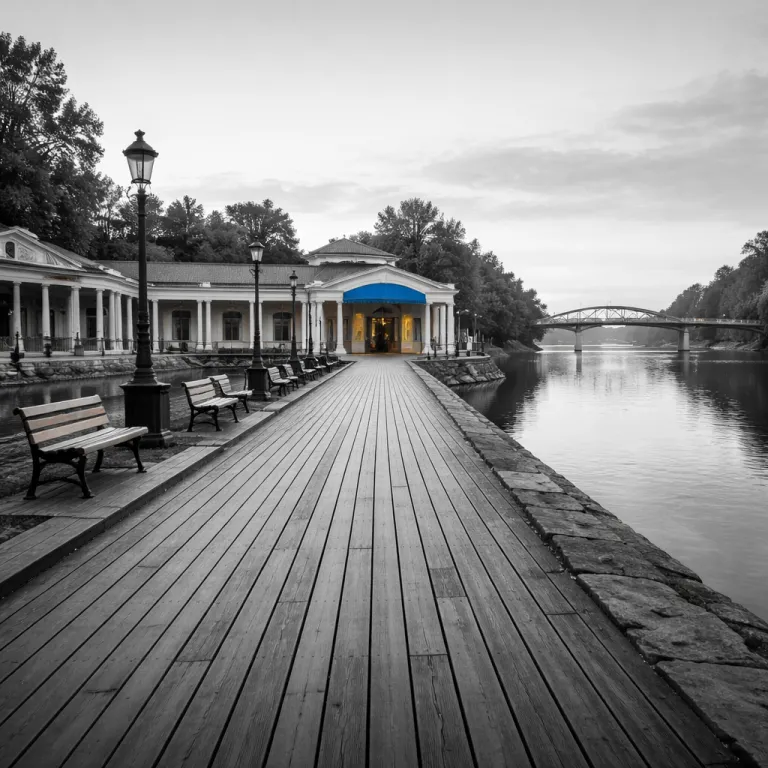
Piešťany medical spa Slovakia for serious wellness travelers
Piešťany medical spa Slovakia is not a pretty detour; it is a purpose-built health destination. The town of Piešťany sits on a low-lying spa island in the Váh River, where thermal mineral springs and sulfur-rich mud have shaped a clinical spa culture that predates the modern wellness resort trend by more than a century. For travelers used to design-led hotels and scented lobbies, this health spa ecosystem feels disarmingly pragmatic yet quietly luxurious.
The medical spa model here starts with diagnosis, not with a scented candle. At the Balnea Health Spa on Winterova Street, part of the Ensana Health Spa Hotels group, hydrotherapy, mud packs and physiotherapy are prescribed to treat musculoskeletal disorders, arthritis and post-injury rehabilitation, and these treatments rely on thermal mineral water and sulfurous mud drawn directly from the ground. The official objective is clear and unromantic: “Restore motor functions. Alleviate pain. Improve mobility.” As one long-term guest from Vienna summarized after a ten-day stay, the goal was not pampering but being able to walk with less pain again.
That focus on measurable health outcomes shapes every stay, whether you book three nights between meetings or commit to a longer healing program. Guests check into spa hotels operated by Ensana Health Spa Hotels, choosing between heritage properties such as Thermia Palace and more understated addresses like Pro Patria on the spa island. Each hotel integrates access to the medical spa facilities, thermal water pools and wellness zones, so your room key effectively becomes a pass to the island Piešťany ritual of bathing, treatment and structured relaxation.
Medical spa versus wellness resort ; what you actually sign up for
In Piešťany spa culture, the word medical is not marketing language but a contract. A classic stay begins with a consultation, where an in-house doctor reviews your health history, listens to your goals and prescribes a tailored treatment plan that might combine healing mud packs, thermal water sessions and supervised exercise. According to clinic staff, this initial assessment typically lasts around 20 to 30 minutes and sets the rhythm for the rest of your stay. This is a different pace from a casual wellness weekend, and it suits executives who want tangible results from limited nights away from the office.
Expect a structured day rather than a loose schedule of massages and facials. Morning usually starts with drinking mineral water from the local springs, followed by scheduled treatments that use healing mud and thermal mineral water to address joint stiffness, back pain or post-injury recovery. Afternoons often leave space for lighter wellness activities, from supervised pool exercise to simple relaxation in quiet lounges, before you return to your hotel room or suite. One rehabilitation specialist at the spa describes the approach as “intensive but realistic, so guests can feel progress without feeling overwhelmed.”
For business leisure travelers, the clarity is refreshing because you know exactly what the offer includes and what each treatment is meant to achieve. Packages at Ensana properties typically specify whether you are on half board or full board, how many medical spa procedures are included per day and which wellness facilities are accessible outside treatment hours. As a rough benchmark, mid-season three-night programs with two to three daily treatments and half board often start in the low to mid hundreds of euros per person, and when you compare the price with more image-driven wellness resorts elsewhere in Europe, Piešťany medical spa Slovakia can deliver a more intensive health program at a competitive rate, with per-night package prices that may undercut some Alpine wellness hotels while still maintaining comfort and professional standards.
To extend this kind of structured wellness into other parts of the country, look at curated overviews of the finest premium hotels Slovakia offers for luxury and comfort, which help you pair a serious health spa program in Piešťany with softer leisure stays in Bratislava or the wine regions.
Thermia Palace, Pro Patria and the character of Piešťany’s spa hotels
Choosing the right spa hotel in Piešťany is less about thread count and more about how you want to feel between treatments. Thermia Palace, the town’s grande dame on the spa island, delivers a heritage experience with stained glass, high ceilings and direct access to the historic health spa complex where thermal water and healing mud therapies are administered. It suits travelers who want their medical stay to feel like a Central European grand tour, with attentive service and quiet public spaces for reading or working.
Pro Patria, by contrast, sits closer to the clinical heart of spa Piešťany and leans into its role as a straightforward medical spa base. Rooms are simpler, the atmosphere more functional, and the focus is on proximity to the treatment pavilions where thermal mineral water and Piešťany mud are used in targeted therapies. For executives who plan to spend most of their days in the health spa or in meetings, this kind of efficient hotel can be the right match, especially when you value short walking distances over decorative flourishes.
Across the Ensana portfolio on the spa island, you will find a wide range of room categories, from compact singles for solo health stays to suites that work for couples or longer wellness-focused trips. Some hotels emphasize relaxation with larger spa zones and quieter lounges, while others prioritize direct corridors to the medical departments and pools fed by thermal water. If you are drawn to historic luxury properties across the country, it is worth pairing Thermia Palace with other addresses highlighted in guides to timeless elegance at Slovakia’s historic luxury hotels, creating an itinerary that balances medical focus with cultural immersion.
Mud, sulfur and water ; what Piešťany’s natural resources mean for you
The real luxury in Piešťany is not a champagne breakfast but the natural resources under your feet. The spa island sits on a geological fault where thermal mineral springs rise at temperatures generally reported in the high sixties Celsius, allowing direct use in pools and baths after cooling, and carrying dissolved minerals that support circulation and joint health. Alongside this thermal water, the riverbed of the Váh River near island Piešťany yields a thick layer of sulfur-rich healing mud that has become the signature of the destination.
When therapists apply this Piešťany mud as warm packs or full body wraps, the combination of heat and sulfur penetrates deep into muscles and connective tissue. Guests with arthritis, chronic back pain or post-injury stiffness often report reduced pain and improved mobility after a series of treatments that combine mud applications with immersion in mineral water pools. Spa doctors commonly recommend multi-day or multi-week programs, and internal outcome tracking shared in general terms with visitors indicates that many long-stay patients experience noticeable improvement in mobility scores after a two-week program. For non-medical visitors, the same protocols can be adapted into shorter wellness programs that prioritize relaxation while still respecting the clinical knowledge built up over generations.
Because the health spa infrastructure is integrated with the hotels, you do not need to navigate separate clinics or day spas scattered across town. Ensana Health coordinates medical assessments, spa treatments and wellness add-ons, so your stay flows from one appointment to the next without logistical friction. For travelers used to fragmented wellness offers in urban hotels, the coherence of Piešťany medical spa Slovakia feels almost old-fashioned, yet it is precisely this tight link between natural resources, medical expertise and hospitality that sets the destination apart.
Slovakia’s broader landscape of thermal and health spas, from the Smrdáky skin care specialist to mountain retreats in the Tatras, means you can build a multi-stop itinerary that moves from intensive medical focus in Piešťany to more scenic relaxation in high-altitude resorts, as outlined in curated guides to Slovakia ski resorts for refined stays in the Tatras and beyond.
How to structure a business leisure stay in Piešťany
Executives extending a Vienna or Bratislava trip into Piešťany often underestimate how immersive a medical spa schedule can be. The town is accessible by road or rail from both cities, with typical travel times of roughly one and a half hours from Vienna by car via Bratislava and around an hour from Bratislava itself, and once you cross onto the spa island the pace shifts from boardroom to bathrobe in a matter of minutes. To make the most of limited nights, you need to treat the stay as a project with clear health objectives and realistic downtime.
Start by booking a package that explicitly includes a doctor consultation, a defined number of treatments per day and either half board or full board, depending on how much you plan to leave the hotel. A three to five night stay can already deliver noticeable benefits if you focus on targeted therapies such as mud packs, hydrotherapy and supervised exercise in thermal water pools. Build work commitments around this core, using early mornings or late afternoons for calls, and keep evenings free for unstructured relaxation so your body can respond to the treatments.
For frequent travelers, returning to the same spa hotel on the island creates a familiar rhythm that reduces decision fatigue. You know where the mineral water drinking fountains are, which relaxation rooms are quietest and how long it takes to walk from your room to the health spa department. Over time, Piešťany medical spa Slovakia becomes less of a one-off wellness experiment and more of a recurring health maintenance ritual that slots naturally into your annual travel calendar, with each stay fine-tuned to your evolving needs.
FAQ
What conditions are treated at Piešťany medical spa?
Piestany Medical Spa specializes in musculoskeletal disorders, arthritis and post-injury rehabilitation, using a combination of hydrotherapy, mud packs and physiotherapy. The core treatments rely on thermal mineral water and sulfur-rich mud sourced from the local environment. Many guests also come for general mobility improvement and long-term pain management rather than a single acute condition.
How long should I stay in Piešťany for effective results?
For measurable therapeutic benefits, many doctors recommend at least seven to ten nights, which allows enough time for a structured course of mud treatments and thermal water therapies. Business travelers who can only spare three to five nights may still experience reduced stiffness and better sleep, especially if they follow a focused program. Shorter wellness-oriented visits work best as maintenance between longer medical stays.
Is Piešťany open year round for medical spa stays?
Piešťany’s health spa facilities and Ensana hotels operate throughout the year, with treatments available in all seasons. The thermal water pools and indoor wellness areas make the destination suitable even in colder months. Seasonal variations mainly affect outdoor activities and town atmosphere rather than the core medical spa offer.
How does a typical treatment day look in a Piešťany spa hotel?
A standard day usually begins with drinking prescribed mineral water, followed by two to three scheduled treatments such as mud packs, hydrotherapy baths or physiotherapy sessions. Breaks between treatments are used for rest, light exercise or relaxation in thermal pools. Meals are timed to support the medical program, especially if you are on half board or full board.
How do Piešťany’s medical spas compare with other European spa towns?
Piešťany focuses more strongly on medical outcomes than many wellness resorts, with doctor-led programs and long experience in rheumatology and rehabilitation. The combination of thermal mineral water, sulfur-rich mud and integrated health spa hotels offers a depth of treatment that rivals better known towns like Karlovy Vary. At the same time, prices often remain more accessible, especially for longer therapeutic stays.