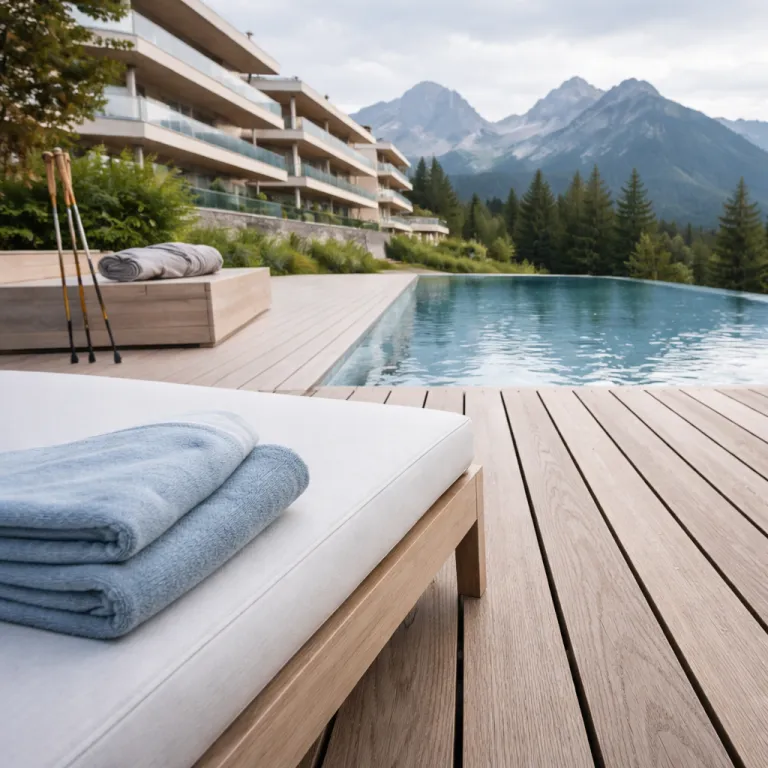
High Tatras summer luxury reshapes Štrbské Pleso and Tatranská Lomnica
High Tatras summer luxury is no longer a side note to the ski season. Backed by Austrian operator TMR (Tatry Mountain Resorts) and Canadian investor GSI (Groupe Savoie International), the region is using new funding for clearer trail signage, upgraded biking routes and cultural programming that finally treats summer as a primary travel season. According to TMR’s 2023 annual report, summer visitor numbers in the High Tatras have grown by more than 20% over five years, and TANAP now officially promotes June to September as a core hiking period. For travellers used to Innsbruck or South Tyrol, this part of the Slovak Tatras now offers a quieter high mountain alternative with serious infrastructure behind it.
Štrbské Pleso is the clearest example of how warm‑season luxury is being curated. Around the glacial lake, where Štrbské Pleso remains the most popular resort, TANAP national park managers have coordinated with local hotels to align hiking trail information, boat rentals and evening concerts on the promenade. A TANAP spokesperson recently summarised the new approach: “Our goal is to keep the park protected while making summer routes easier to understand for international guests.” The average summer temperature of around 15 °C keeps daytime hiking comfortable, while the lakefront hotels lean into spa and wellness at night for guests who want both adventure and recovery.
The Grand Hotel Kempinski High Tatras, often shortened by guests to the Kempinski High Tatras or simply the Hotel Kempinski on Štrbské Pleso, anchors the region’s premium summer push. This grand hotel sits directly on the shore of the lake, offering panoramic mountain views across the Tatra Mountains and over to Vysoké Tatry peaks. For a luxury summer stay, official guidance for guests is explicit: “Book early for best rates. Pack for variable weather. Explore local hiking trails.” Typical high‑season nightly rates for lake‑view rooms start around €350–€450, with suites priced higher on peak August weekends.
Inside this mountain residence style property, the emphasis is on slow travel rather than rushed peak bagging. Many reviews highlight the contrast between a demanding day on the hiking trails and a long night in the spa, with exclusive treatments that were developed specifically for the High Tatras wellness market. The spa usually opens from mid‑morning until late evening, which allows guests to schedule massages after sunset boat rides or early dinners. Some rooms lack air conditioning, and management advises guests who plan a longer stay in the high season to read room descriptions carefully before they book.
Summer programming is coordinated with local tour operators who understand both the national park rules and the expectations of high end guests. Hiking and soft adventure packages now combine guided routes above Štrbské Pleso with cultural stops in nearby villages, which helps keep more travel spending inside Slovakia. For solo travellers, this means you can arrive by train, rely on public transport between villages and still access curated High Tatras experiences without renting a car. The journey from Poprad‑Tatry airport to Štrbské Pleso by rail and mountain tram typically takes about 70–90 minutes, with connections at Poprad and Starý Smokovec.
Beyond the lakeside, upmarket summer travel in the Tatras also shows up in small details that matter to discerning guests. Breakfast service at the top properties now routinely includes vegan and gluten free options alongside local cheeses and smoked trout, reflecting a shift from purely traditional buffets. Eco friendly tourism is not just a slogan: TANAP limits car access, and hotels increasingly promote low impact day itineraries that start on foot from the lobby rather than from a distant car park. Park officials note that most marked summer hiking routes open in mid‑June and close by the end of October, with the busiest weeks concentrated around late July and early August.
From Starý Smokovec to Tatranská Lomnica: where to base your stay
Choosing the right village is central to any High Tatras summer luxury trip. Starý Smokovec, Tatranská Lomnica and Štrbské Pleso each anchor a different style of stay, and the new summer strategy in northern Slovakia is built around these three hubs. Public transport links between them are unusually strong for an alpine region, which allows travellers to plan a car free adventure without sacrificing comfort. The electric Tatra tram typically runs every 30–60 minutes in high season, and the ride between Starý Smokovec and Tatranská Lomnica takes roughly 15 minutes.
Starý Smokovec works best if you want a classic mountain residence atmosphere with quick access to multiple hiking trails. The cog railway climbs from this base into the higher Tatra Mountains, while heritage hotels line the main street with shaded terraces for a slow breakfast or a late night drink. High Tatras summer luxury here feels understated: you step from historic lobby to forest path in minutes, then return to read on a balcony as the mountains fade into dusk. Room rates in mid‑range properties often start around €120–€160 per night in July, with premium suites and historic grand hotels priced above that level.
Tatranská Lomnica, often simply called Lomnica by locals, is the most dynamic of the three hubs. The cable car to Lomnický štít makes it a natural focus for panoramic mountain views, and the village has leaned into this with new signage, bike rentals and family friendly hiking options. For travellers comparing hotels, the historic Hotel Lomnica stands out as a cultural landmark, and many reviews praise its art collection as much as its rooms. The main cable car usually operates daily in summer, weather permitting, with first departures in the morning and last rides returning by late afternoon.
Hotel Lomnica also illustrates how High Tatras summer luxury is evolving beyond pure scenery. Curated exhibitions, classical music evenings and partnerships with local producers turn a simple night in the hotel into a broader cultural experience. A hotel representative describes the concept as “a living gallery in the mountains, where guests can move from concert hall to hiking trail in the same day.” Guests who usually book design forward city hotels in Bratislava or Vienna will find a similar level of detail here, but framed by the Tatra Mountains rather than by urban streets.
Štrbské Pleso remains the most obviously resort like base, with the Grand Hotel Kempinski High Tatras dominating the shoreline. This is where the phrase Kempinski High Tatras becomes shorthand for lakeside spa days, long vegan tasting menus and late check outs that stretch a weekend stay into a three day reset. For travellers who prefer a more urban pre or post stay, pairing this with an elegant city hotel in Bratislava, such as the Radisson Blu Carlton on Hviezdoslavovo námestie, creates a balanced Slovakia itinerary. The rail journey between Bratislava and Poprad usually takes about four hours, with onward connections into the mountains adding another 30–60 minutes.
Across all three villages, the summer offer still has gaps that experienced travellers should note. Fine dining at altitude remains limited, and English speaking guiding for technical hiking is not as widespread as in the Dolomites, so you may need to book private guides well in advance. Daily guiding fees for certified mountain leaders often start around €150–€200 for a full day, depending on route difficulty and group size. Travel insurance that covers mountain rescue is strongly recommended, especially if your trip includes higher routes above Vysoké Tatry or more remote sections of the national park.
What the new summer push means for luxury travellers in Slovakia
The current summer is widely described by local tourism boards as the first full season of coordinated programming across TANAP, and that timing matters for anyone planning a High Tatras summer luxury escape. Trail signage has been standardised in key areas, new biking routes link villages more clearly and cultural calendars are being published earlier in English and German. For solo travellers who once defaulted to South Tyrol, this makes the Tatras a credible high season alternative rather than a last minute backup. Official statistics from the Slovak Tourism Board indicate that overnight stays in the High Tatras now split more evenly between winter and summer than a decade ago.
From a hospitality perspective, the shift is visible in how hotels talk about summer. Properties such as the Grand Hotel Kempinski High Tatras now market wellness retreats and eco friendly tourism packages explicitly for June to August, not just as shoulder season fillers around winter. Local partners design day programmes that combine hiking, boating on Štrbské Pleso and spa treatments, which aligns with the official answer to a common guest question: “Hiking, boating, spa treatments.” Hotel managers also report longer average stays in July and August, with many guests now booking four or five nights instead of a quick weekend.
For travellers who care about heritage as much as comfort, High Tatras summer luxury sits within a broader Slovak story. Historic properties across the country, from mountain grand hotel addresses to city landmarks, are being restored with a focus on character rather than uniform gloss, as we detail in our guide to timeless luxury hotels in Slovakia. This context matters when you read reviews or compare hotels, because a slightly creaky corridor can be part of the charm rather than a flaw. In practice, it means you might trade ultra‑minimalist interiors for original woodwork, mountain views and a stronger sense of place.
Practical planning still makes the difference between a smooth stay and a frustrating trip. Book your preferred hotel early for peak dates, especially if you want specific room types or a guaranteed vegan breakfast offering, and always confirm whether pets are allowed because policies vary by property. Some rooms in older buildings lack air conditioning, so if you are sensitive to warmer night temperatures, check this detail before you commit to a longer stay. In most villages, quiet hours begin around 22:00, which helps keep lakefront promenades and mountain streets calm even in the busiest weeks.
For city to mountain combinations, Bratislava remains the most efficient gateway for international arrivals into Slovakia. Many of our readers pair a refined city stay at properties such as the Radisson Blu Carlton Hotel Bratislava with a rail based journey north into the Tatras, using the capital for one night on either side of a longer mountain residence booking. This pattern keeps transfers simple while allowing you to adjust to the slower rhythm of Vysoké Tatry without rushing straight from the airport to the hiking trails. Typical taxi rides from Bratislava airport into the historic centre take around 20 minutes, which makes late evening arrivals manageable.
For business linked travellers, or those extending work trips, Bratislava hotels such as the Crowne Plaza offer a bridge between meetings and mountain air. Our review of the Crowne Plaza Bratislava for refined city stays and business travel outlines how to structure a schedule that leaves space for a three day Tatras extension. With reliable public transport, solid trail infrastructure and a growing range of high end stays, High Tatras summer luxury now rewards those who plan carefully, travel lightly and let the national park set the pace.
Practical FAQ for High Tatras summer luxury stays
When is the best time to visit the High Tatras in summer? The main warm‑season hiking window usually runs from mid‑June to late September, with the most stable weather and longest days typically in July and August.
Do I need a car for a luxury holiday in the High Tatras? No. Trains and mountain trams connect Poprad, Starý Smokovec, Tatranská Lomnica and Štrbské Pleso, so you can comfortably plan a car free itinerary and rely on hotel transfers or taxis when needed.
How long should I stay for a combined spa and hiking break? Many guests now book three to five nights, which allows for two full hiking days, at least one dedicated spa day and a flexible buffer for changing mountain weather.