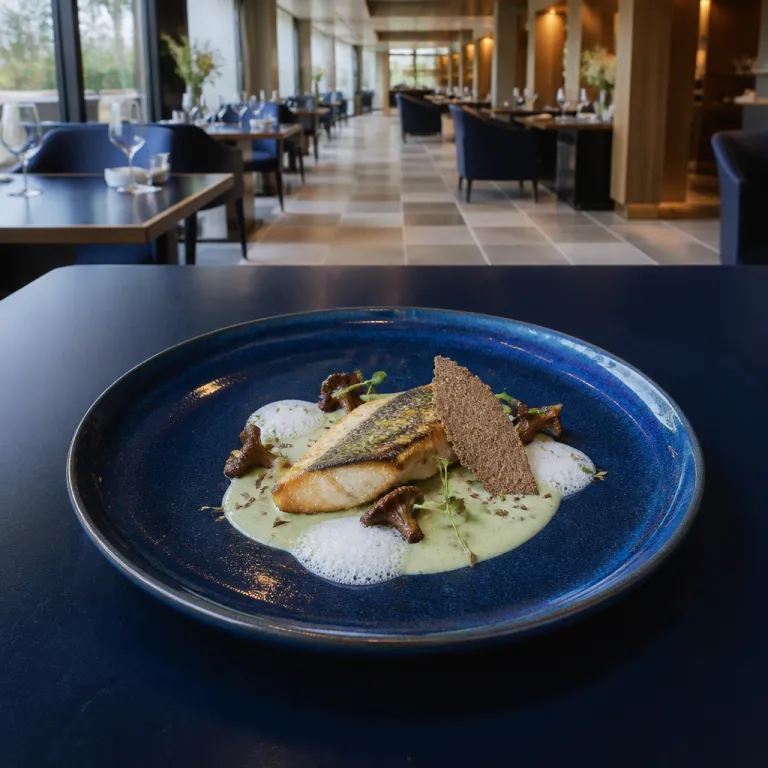
The quiet shift in Slovak gastronomy: from hearty staples to tasting menus
Slovak cuisine was once shorthand for heavy plates, cheap beer and generous portions. Today a new generation of chefs is turning those same regional ingredients into tasting menus that would not feel out of place in Vienna or Copenhagen. The change is most visible in modern Slovak cuisine restaurants where every dish is served with a story about soil, sheep and season.
In Bratislava, the restaurant that crystallised this shift is ECK, set above the Danube near Devín. Head chef Daniel Tilinger built a roughly 13 course tasting menu that treats bryndzové halušky, garlic soup and even humble potato pancakes as fine dining building blocks rather than nostalgic comfort food. According to recent editions of the Gault&Millau Slovakia guide, ECK appears among the country’s best evaluated fine dining addresses, and Tilinger often sums up his approach in one line reported in local media: “What is ECK's specialty? Innovative dishes using local ingredients.”
This confidence has rippled across the capital’s food scene and into the wider Slovak gastronomy landscape. You still find a traditional Slovak pub where a bread roll floats in a bowl of steaming soup, but next door a younger restaurant team plates bryndzové halušky as a minimalist composition of dumplings, sheep cheese and browned butter. For travelers booking luxury hotels in Slovakia, the best stays now pair a refined room key with a concierge who can secure the hardest tables in these contemporary Slovak restaurants.
Bratislava’s new dining map: where luxury travelers actually eat
Bratislava is the natural starting point for understanding how Slovak food has evolved. The compact Old Town concentrates many of the best restaurants, yet the most interesting modern Slovak cuisine spots often sit just beyond the postcard streets. This is where chefs quietly rewrite what “good” Bratislava food means for guests stepping out of five star lobbies.
At ECK, tasting menus lean into regional meat, river fish and vegetables rather than imported luxuries, which matters if you care about a restaurant expressing its place. A course might pair roasted meat with mashed potatoes enriched by sheep milk, or rework garlic soup into a clear, intense broth poured tableside over a delicate bread roll. Reserve ECK well ahead if your trip falls in January or during peak weekends, as tables can disappear quickly among travelers who now plan their entire stay around Slovak gastronomy experiences.
More casual but still polished, Mestiansky Pivovar shows how a brewery restaurant can bridge traditional Slovak dishes and a more contemporary food scene. Here you can order bryndzové halušky, potato dumplings with sheep cheese and crisp bacon, alongside lighter plates that play with seasonal vegetables and sour cream. For open air lunches, use a curated selection of terraces and courtyards across Slovakia as a guide, then ask your hotel concierge to align reservations with spa treatments or Danube cruises.
From Tatras to Danube: how geography shapes the new Slovak kitchen
Leave Bratislava and the logic of modern Slovak cuisine restaurants becomes even clearer. Slovakia is small, yet its geography swings from alpine valleys to lowland vineyards in a few hours, and that diversity feeds directly into the plate. Chefs who respect this patchwork now treat each region as a pantry rather than a backdrop.
In the High Tatras, mountain kitchens still rely on sheep, potatoes and cabbage, but the best restaurants refine these staples with precise technique. A simple plate of potato pancakes might arrive as crisp lattices topped with whipped sheep cheese and a drizzle of browned sheep milk, while dumplings sheep style become feather light potato dumplings folded with herbs and finished with cultured sour cream. Many hotel restaurants here work closely with foragers, and during mushroom season the smartest move is to follow a foraging focused Tatras dining guide when choosing where to stay.
Further south along the Danube lowlands, Slovak gastronomy leans into vegetables, grains and freshwater fish, which gives modern Slovak cuisine restaurants a different rhythm. Menus might open with chilled soup built from garden tomatoes or early spring herbs, then move to grilled meat paired with poppy seeds, roasted potato and a bright salad. When you book a luxury hotel in wine country, ask specifically which restaurant on property or nearby works with local sheep cheese producers and small mills, because that detail often separates a merely good meal from the best expression of Slovak food.
Farm to table in practice: small producers behind the tasting menus
“Farm to table” can sound like marketing, yet in Slovakia’s most serious restaurants it describes a daily logistics puzzle. Chefs such as Daniel Tilinger at ECK or Michal Biroš and Lukáš Šepeľa at Zwicker in eastern Slovakia spend as much time talking to farmers as they do plating dishes. Their work shows how Slovak cuisine can be both traditional and quietly radical when the supply chain is short and personal.
At Zwicker, co head chefs Biroš and Šepeľa have spoken openly in interviews about how challenging real farm to table sourcing can be in Slovakia’s fragmented agricultural landscape. They rely on a network of smallholders for sheep milk, seasonal vegetables and heritage grains, then build menus that change as quickly as the weather. A typical restaurant service might feature a soup of roasted root vegetables in January, followed by meat from a nearby farm served with potato dumplings and a sauce enriched with local milk and cheese.
For travelers, this matters because the most rewarding modern Slovak cuisine restaurants are often outside major cities, attached to country hotels or wine estates. Booking a stay where the chef has direct relationships with sheep farmers, cheesemakers and foragers means your plate of bryndzové halušky or garlic soup tells a story of a specific valley, not a generic idea of Slovak food. When planning a multi stop trip across Slovakia, treat these producer driven restaurants as anchors and let your hotel choices orbit around them.
Wine, beer and pairings: how drinks culture elevates Slovak food
The rise of modern Slovak cuisine restaurants has gone hand in hand with a quiet revolution in cellars and taprooms. Slovak wine producers, craft brewers and sommeliers now shape the restaurant experience as decisively as the chefs. For luxury travelers, this means you can expect thoughtful pairings that frame each dish rather than overwhelm it.
In Bratislava, Mestiansky Pivovar illustrates how a brewery rooted in tradition can still support a progressive food scene. Their servers know how to match a malty lager with potato pancakes and sour cream, or suggest a lighter beer alongside bryndzové halušky so the sheep cheese remains the star. Elsewhere in the city, wine focused restaurants pour Grüner Veltliner and Riesling from the Small Carpathians to accompany garlic soup, grilled meat or delicate fish dishes, reinforcing that Slovak gastronomy does not need imported labels to feel luxurious.
Outside the capital, hotel restaurants in wine regions increasingly employ trained sommeliers who understand both local terroir and international expectations. A tasting menu might move from sparkling wine with a bread roll and cultured butter to skin contact whites alongside potato dumplings, then finish with a late harvest wine that flatters desserts built on poppy seeds or baked cheese. If you enjoy comparing destinations, you can even pair a stay in Slovakia’s wine country with a night in Florence using a refined elegance apartment guide, then judge which restaurant scene serves regional food with more conviction.
Planning a luxury stay around food: practical guidance for hotel guests
Designing a trip around modern Slovak cuisine restaurants requires a slightly different strategy than booking in more saturated European capitals. The best tables are fewer, distances between regions are short and hotel concierges still have real influence over reservations. Treat your itinerary as a tasting menu in itself, moving from Bratislava food to mountain kitchens and finally to wine country.
Start with at least two nights in Bratislava so you can experience both a high end restaurant like ECK and a more relaxed Slovak pub that still serves excellent traditional dishes. One evening might focus on a long tasting menu where each course is served with a detailed explanation of its regional roots, from sheep cheese to mashed potatoes scented with garlic. The next night, keep it simple with bryndzové halušky, garlic soup and a crisp bread roll at a place locals actually frequent, then compare how each setting expresses Slovak food.
From there, head to the High Tatras or a rural spa hotel where the restaurant works closely with nearby farms and sheep herders. Ask specifically about seasonal menus, whether they use fresh sheep milk or aged cheese, and how often potato dumplings or potato pancakes change with the calendar. If your trip falls in January, expect heartier meat dishes and robust soup, while late summer brings lighter plates built on vegetables, herbs and poppy seeds, all of which show how Slovak gastronomy now flexes with the seasons rather than fighting them.
Trenčín, culture capitals and why Slovakia still feels undiscovered
One reason Slovakia’s food, in Bratislava and beyond, feels so exciting is timing. The country is in the middle of a culinary upswing, yet the crowds and prices that define other European destinations have not fully arrived. For luxury travelers, this creates a rare window where you can still speak directly with chefs, book relatively last minute tables and feel part of a movement rather than an audience.
Trenčín’s role as a European Capital of Culture, with gastronomy events such as the At the Table festival scheduled for mid July in recent programmes, is accelerating this shift without erasing local character. These gatherings bring together chefs, small producers and hotel teams to talk openly about Slovak cuisine, from how to present bryndzové halušky to international guests to the best way to highlight sheep cheese and meat from nearby farms. For visitors, it means you might taste a dish at a festival stall in Trenčín, then encounter a refined version of the same idea at a restaurant in Bratislava or a mountain hotel a few days later.
Despite this momentum, Slovakia still feels refreshingly uncurated compared with its neighbours, and that is part of the appeal. You can move from a no nonsense Slovak pub where soup and potato pancakes arrive on plain plates to a polished restaurant where the same ingredients appear as sculpted dishes, all within a single day. The key is to let your hotel choices follow the food, using modern Slovak cuisine restaurants as your guide to a country where the new Slovak kitchen has finally stepped into the spotlight.
Key figures shaping the new Slovak kitchen
- According to the latest publicly available Gault&Millau Slovakia guide, ECK in Bratislava holds one of the higher point ratings in the country’s fine dining segment, placing it among the best evaluated restaurants in the national rankings; readers should consult the most recent edition for exact scores.
- The current ECK tasting menu typically features around 13 dishes, which allows the restaurant to present multiple interpretations of Slovak food, from reworked garlic soup to refined potato dumplings, within a single evening.
- Reservations at ECK generally open several months in advance, and tables for peak weekends in January and during major cultural events often book out quickly according to local booking platforms, so hotel guests should plan dining before finalising room choices.
- Across Slovakia, leading modern Slovak cuisine restaurants increasingly adopt farm to table sourcing, with chefs such as Michal Biroš and Lukáš Šepeľa at Zwicker publicly highlighting in interviews the logistical challenges and long term benefits of working directly with small producers.
Frequently asked questions about modern Slovak cuisine restaurants
What defines a modern Slovak cuisine restaurant today ?
Modern Slovak cuisine restaurants focus on regional ingredients, precise technique and thoughtful presentation rather than sheer portion size. Chefs rework traditional Slovak dishes such as bryndzové halušky, garlic soup or potato pancakes using seasonal produce, better quality meat and carefully sourced sheep cheese. The goal is to express Slovak gastronomy with clarity and elegance while keeping flavours rooted in local food culture.
How far in advance should I book top restaurants like ECK ?
For ECK in Bratislava, reservations typically open a few months in advance and prime weekend slots disappear quickly, especially around cultural events or during January city breaks. If you are planning a luxury hotel stay that centres on food, secure your restaurant bookings before finalising flights or spa treatments. Other high level restaurants across Slovakia may have slightly more flexibility, but early planning still gives you the best choice of tasting menus and seating times.
Are traditional dishes such as bryndzové halušky still easy to find ?
Yes, classic Slovak food remains widely available in both casual pubs and more polished restaurants. In Bratislava you can try bryndzové halušky, potato dumplings with sheep cheese and bacon, at places like Mestiansky Pivovar or a well run Slovak pub, while fine dining kitchens might serve a lighter, more delicate version of the same dish. Outside the capital, mountain hotels and rural restaurants often offer some of the most characterful takes on these staples, especially when they use fresh sheep milk and local potatoes.
How does Slovakia’s geography influence what is served in restaurants ?
Mountain regions such as the High Tatras lean heavily on sheep, potatoes and cabbage, so you see a lot of hearty soup, potato pancakes and dumplings sheep style, often paired with sour cream or aged cheese. Along the Danube lowlands and in wine regions, menus feature more vegetables, freshwater fish and lighter meat dishes, frequently accompanied by local wines. Modern Slovak cuisine restaurants embrace this diversity, designing menus that shift as you move from Bratislava food to rural kitchens.
Is Slovak cuisine gaining international recognition among travelers ?
Slovak cuisine is attracting more attention thanks to high profile restaurants like ECK, which has earned strong Gault&Millau scores, and to chefs such as Daniel Tilinger, Michal Biroš and Lukáš Šepeľa who champion local ingredients. Cultural initiatives in cities like Trenčín, including gastronomy focused festivals, also help present Slovak gastronomy to a wider audience. For travelers who prioritise food, this is an ideal moment to explore Slovakia before its best restaurants become as hard to access as those in more established culinary capitals.