Why trenčín european capital culture 2026 belongs on your luxury map
Trenčín is the Slovak city quietly rewriting what a European Capital of Culture can feel like. While larger European capitals chase spectacle, this compact culture city leans into intimacy, river light and a castle skyline that frames contemporary art rather than overshadowing it. For luxury travelers used to Bratislava or Vienna, the shift in scale awakens curiosity in a way that feels both grounded and quietly radical.
The 2026 cultural programme in Trenčín is built around curiosity, with more than three hundred planned events threaded through streets, courtyards and the forested hills above the Váh River.1 Trenčín Municipality coordinates the programme with local artists and international partners, while the European Union provides funding and support through the European Capitals of Culture initiative.2 That structure matters for travelers, because it means the culture on offer is not a one off festival but a year long sequence of festivals, exhibitions and performances that reward a three day stay rather than a rushed day trip.
Trenčín sits in western Slovakia, about 120 km from Bratislava, and the journey by train or car typically takes around seventy five to ninety minutes, depending on the connection.3 The city has a population of roughly fifty four thousand people,4 which keeps the scale human while still supporting serious cultural infrastructure. For a luxury and premium hotel guest, that balance means you can step from a quiet suite to a major art event in under ten minutes, then be back in your room before the crowds from larger culture cities would even reach their tram stops.
Trenčín was selected as a European Capital of Culture for its rich history and cultural potential. What is the European Capital of Culture? It is an EU initiative highlighting cultural richness and diversity in selected cities over a full calendar year.2 Why was Trenčín chosen? Because its layered heritage, contemporary ambitions and regional partnerships give it the capacity to host a sophisticated, community driven programme that extends well beyond 2026.
Three days in trenčín: a culture-led itinerary with castle views
Day one in Trenčín begins where every postcard does, with the castle, but the 2026 European Capital of Culture lens changes how you move through it. Instead of ticking off ramparts and a standard castle view, you enter Trenčín Castle as a living gallery, where contemporary installations by international and Slovak artists are curated in dialogue with medieval stone. The Well of Love exhibition, often interpreted through light and sound, turns a familiar legend into a quietly immersive art experience that feels more like a private performance than a museum stop.
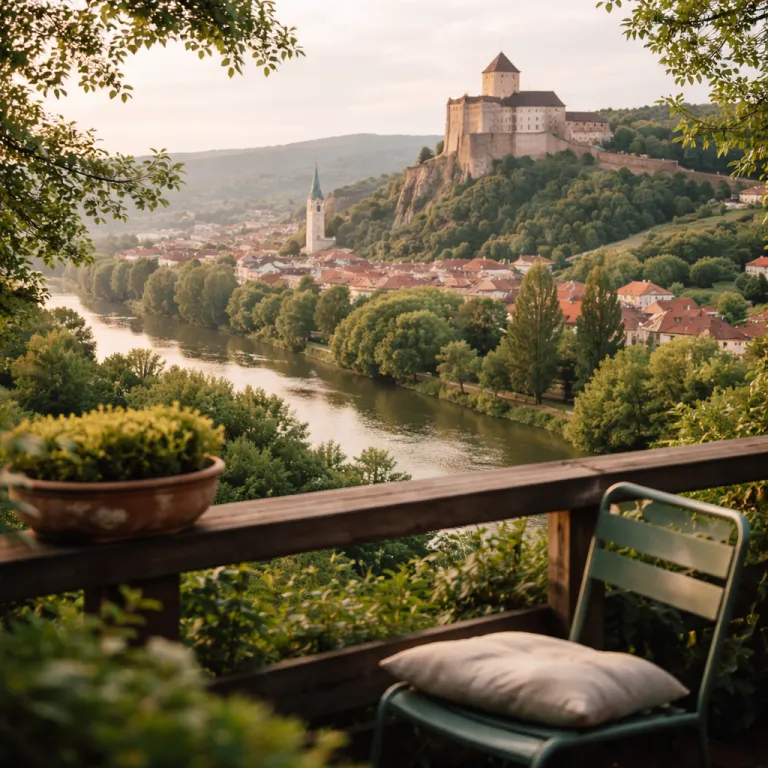
From the upper terraces of Trenčín Castle, the view sweeps across the city centre, the Váh River and the wider Trenčín Region, giving you a sense of how the culture programme spills beyond the historic core. In the streets below, the city hosts smaller cultural events in courtyards, cafés and repurposed industrial spaces, where local people mix with visitors from other European capitals. This is where the 2026 title becomes tangible, as you move between classical concerts, experimental art and small scale festivals such as the Pohoda Festival’s satellite events or the Art Invasion series without ever needing a taxi.1
Spend your afternoon tracing the cultural heritage of the region through guided walks that link Roman inscriptions, socialist era architecture and new public art commissions. Many of these walks are designed as awakening curiosity routes, encouraging you to look up at façades, down at cobbles and across to the hills where Brezina Forest Park rises above the city. As evening falls, book a table in a restaurant that treats Slovak cuisine as cultural art, pairing local wines with bryndzové halušky and river fish while you plan which events from the official programme you will attend the next day.
On your second day, anchor your schedule around a river festival on the Váh near Pláž na Ostrove, a community event where handmade boats drift past city beaches and temporary installations. The festival atmosphere is relaxed rather than crowded, with families, artists and travelers sharing the riverbank as part of a broader sequence of summer festivals that define the Trenčín cultural calendar. Between river events, slip back into the city centre for smaller art happenings, where the line between audience and participant often blurs in the best European capitals tradition.
From forest performances to river festivals: cultural experiences with depth
The most compelling argument for visiting Trenčín during its European Capital of Culture year is how it uses landscape as a stage, turning forest, river and streets into a coherent culture programme. In Brezina Forest Park, site specific performances and guided actions thread through the trees, inviting small groups of people to move, listen and reflect as the city hums below. This is not spectacle for social media; it is a carefully paced cultural experience that rewards attention and makes you feel part of a living artwork.
Down by the river, the Váh becomes a moving gallery, with handmade boats and temporary installations that extend that sense of participation. Here, culture in Trenčín is not confined to white cube spaces, and the festival’s informality contrasts with the more structured exhibitions at Trenčín Castle. Together, these events show how a culture city can use its region as a canvas, something many larger culture cities and European capitals struggle to achieve.
Throughout the year, the 2026 programme layers in workshops, public performances and smaller festivals that keep the city alive between headline weekends. Local artists lead sessions on traditional crafts and contemporary art, while international guests from places such as Oulu in northern Europe bring perspectives from other culture cities and former European Capitals of Culture. For travelers, this means you can drop into a ceramics workshop in the morning, attend an air guitar themed performance referencing Oulu cultural traditions in the afternoon, then close the day with a chamber concert in a former factory.
The European Union’s support for the capital culture initiative ensures that infrastructure upgrades, from renovated squares to improved digital platforms, will outlast the official programme.2 That long view matters if you are planning a return visit for projects like the proposed Fiesta Bridge, a new pedestrian link that will frame one of the most striking castle views in the region.1 As Capitals of Culture rotate across Europe, Trenčín shows how a smaller city can leverage cultural heritage, contemporary art and community events to create a destination that feels both sophisticated and deeply local.
Where to stay: luxury bases for a culture-first city break
For a three day stay during the 2026 European Capital of Culture season, location is your quiet superpower. You want to be close enough to the city centre to walk to late night events, yet slightly removed for calm mornings and unhurried room service. In practice, that means choosing intimate, design forward properties in and around the historic core, many set in renovated townhouses with discreet entrances and thoughtful service.
Look for hotels that frame the castle view without turning it into a gimmick, perhaps with corner suites that catch the evening light on Trenčín Castle’s walls. Some of the most rewarding stays are in properties that collaborate directly with the cultural programme, hosting small exhibitions or artist talks in their lounges. This alignment with the city’s creative narrative turns your hotel into an extension of the culture city, where you might share breakfast with performers or curators before heading out to events together.
If you prefer a quieter base, consider luxury guesthouses on the slopes above the city, where terraces open towards the region’s hills and the distant line of the Váh. From here, you can walk down to festivals and events in under fifteen minutes, then retreat to spa level bathrooms and well stocked minibars when the streets empty. Many of these properties work closely with local producers, so the honey at breakfast, the wine in your glass and the ceramics on the table all speak to the wider cultural heritage of Slovakia.
When comparing options on a premium hotel booking website focused on Slovakia, pay attention to how each property engages with the 2026 cultural season rather than just its star rating. A hotel that offers curated access to the programme, from reserved seats at key festivals to private tours of castle exhibitions, will elevate your stay far beyond a standard city break. Over time, these partnerships between hotels, Trenčín Municipality and local artists will become part of the city’s identity, ensuring that culture cities across Europe look to Trenčín as a model for hospitality woven into cultural life.
Beyond trenčín: spa rituals, regional flavours and reasons to return
One of the quiet luxuries of planning around the 2026 European Capital of Culture year is how easily you can pair the city with the spa town of Trenčianske Teplice. After two dense days of cultural events, a short drive into the hills brings you to thermal pools, colonnades and grand hotels where time seems to slow. This combination of culture city and spa retreat turns a long weekend into a layered journey through the Trenčín Region.
In Trenčianske Teplice, the focus shifts from castle view to steam and stone, with hammams and pools that draw on mineral rich waters long valued in Slovakia. Many luxury properties here offer packages aligned with the culture programme, allowing you to attend key festivals in Trenčín while basing yourself in a quieter valley. It is an elegant way to experience European Capital of Culture programming without sacrificing rest, especially if you are combining Trenčín with other European capitals on a longer itinerary.
Back in the city, food becomes another thread in the cultural tapestry, from market stalls to chef led dining rooms that reinterpret regional dishes. If you want to understand how deeply cultural heritage runs through Slovak cuisine, plan a side trip using a guide to bryndzové halušky at source, such as a farm focused itinerary that explores sheep cheese traditions in the countryside. These culinary experiences sit comfortably alongside art festivals and river events, reinforcing the sense that Trenčín is not just a stage for imported culture but a place where local life shapes every programme.
Looking ahead, projects like the Fiesta Bridge promise new ways to move through the city and frame its relationship with the river and castle.1 As European Capitals of Culture rotate, some cities fade once the title moves on, but the investments in public space, cultural infrastructure and hospitality here suggest a different story. For travelers who value depth over checklists, the 2026 season in Trenčín is less a one time event and more an invitation to return, each visit revealing another layer of art, people and place.
FAQ
How long should I stay in Trenčín for the European Capital of Culture programme ?
A three day stay is ideal if you want to experience the core of the 2026 cultural programme without rushing. That gives you time for castle exhibitions, at least one major festival or performance, and slower exploration of the city centre and riverfront. If you plan to include spa time in Trenčianske Teplice or multiple workshops, consider extending to four or five days.
Why was Trenčín chosen as a European Capital of Culture instead of Bratislava ?
Trenčín was selected because it combines strong cultural heritage, from Trenčín Castle to Roman and modern layers, with clear potential for growth as a culture city. The scale of the city allows for close collaboration between Trenčín Municipality, local artists and residents, creating a more intimate experience than in larger European capitals. This makes the regional cultural programme particularly appealing to travelers who prefer depth and authenticity over blockbuster crowds.
How does Trenčín compare to other European Capitals of Culture such as Oulu in Finland ?
Trenčín and Oulu, Finland share a focus on community driven culture, but their settings and atmospheres differ significantly. Oulu’s cultural programming often leans into northern light, technology and events like the Air Guitar World Championships, while Trenčín is anchored in castle views, river festivals and Central European urban fabric. Visiting both cities across different European Capitals of Culture cycles offers a nuanced sense of how the European Union’s initiative adapts to very different regions.
Is Trenčín easy to reach from Bratislava and other Slovak cities ?
Trenčín lies about 120 km northwest of Bratislava, and the journey by train or car usually takes around seventy five to ninety minutes, depending on traffic and service type.3 Regular rail connections make it straightforward to include the city in a wider Slovakia itinerary that might also feature the High Tatras or Košice. Once you arrive, the compact city centre means most cultural events are walkable from well located hotels.
Do I need to book hotels and event tickets far in advance for trenčín european capital culture 2026 ?
For peak weekends and major festivals within the 2026 programme, advance booking is strongly recommended, especially if you prefer luxury or premium accommodation near the city centre. Smaller events and workshops may allow more spontaneity, but securing your hotel early ensures better choice of rooms with strong castle views or spa access. As with other culture cities and European capitals, planning ahead lets you shape a coherent itinerary rather than chasing sold out events.
Sources
1 Publicly available materials from the Trenčín 2026 preparatory team and concept documents for the European Capital of Culture year; 2 European Commission – European Capitals of Culture programme; 3 Slovak Railways and national road distance data for Bratislava–Trenčín connections; 4 Statistical Office of the Slovak Republic – latest published population data for the city of Trenčín.