Why Bardejov rewards slow travellers who love medieval streets
Bardejov in eastern Slovakia is the rare medieval town that still feels lived in rather than staged. The main square, framed by forty six Gothic and Renaissance burgher houses, gives the historic centre a cinematic symmetry that rivals better known towns in the Czech Republic or Poland while staying blissfully quiet. For couples used to crowded heritage sites in central Europe, the calm rhythm of this medieval Slovak town is the real luxury.
The historic centre sits in the far north east Slovakia region of Prešovský kraj, close enough to Košice for an easy day trip yet far from the usual Bratislava to Vienna circuit. This part of eastern Slovakia has long been a crossroads of Slovak, Polish, Jewish and German cultures, and you feel that layered history in the façades, churches and museums rather than in souvenir shops. Because Bardejov’s medieval streets remain largely intact, the town offers one of the best preserved medieval town plans in the entire Slovak Republic and stands out among all historic towns Slovakia can offer.
UNESCO added the fortified historic centre of Bardejov and its suburbium to the World Heritage List in 2000 for the completeness of its urban ensemble, not for a single monument (source: UNESCO World Heritage Centre). That UNESCO World Heritage status matters for travellers who care about authenticity, since it protects the square, the town hall, the parish Catholic church and the surrounding streets as one coherent organism. For luxury guests choosing between heritage sites in central Europe, this means you are not just visiting a church or a museum but stepping into a compact medieval town where the urban fabric, the wooden details and the local rhythm still align.
The perfect town square circuit: basilica, town hall and burgher houses
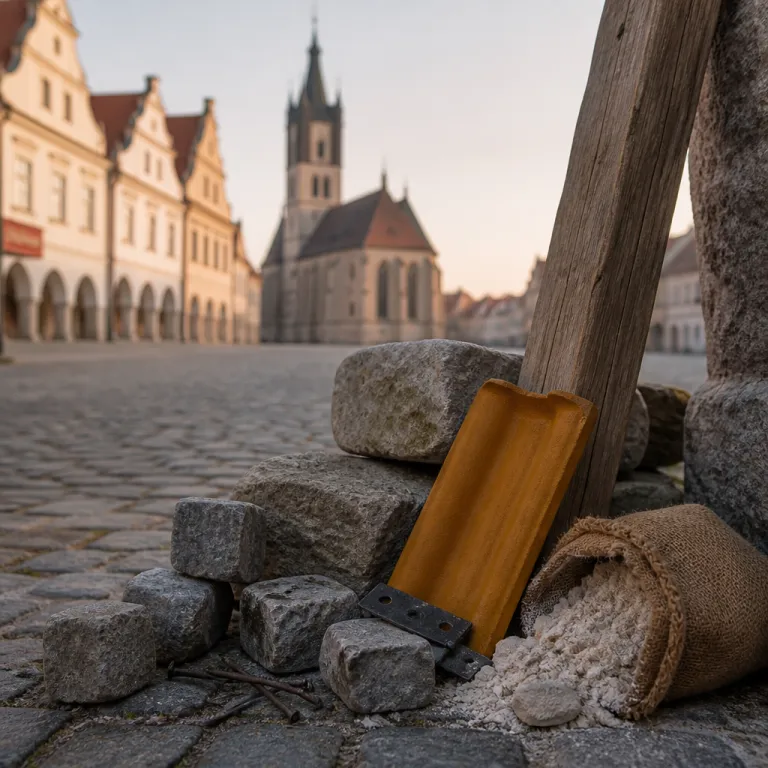
Start your self guided walk on Radničné námestie, the central square that defines Bardejov’s old town. The elongated rectangle pulls your eye towards the freestanding town hall in the middle, one of the oldest civic buildings in Slovakia and a key reason the ensemble qualifies as UNESCO heritage. On a clear day the pastel burgher houses, the slate roofs and the Gothic tower of the main church create a skyline that feels almost theatrical.
Step first into the Basilica of Saint Egidius, the principal Catholic church and spiritual anchor of this medieval town. Inside, a series of late Gothic altarpieces and wooden carvings showcase the sophistication of medieval Slovak craftsmanship, and the vertical stone columns draw your gaze upwards in a way that rivals larger cathedrals in the Czech Republic or Austria. For couples who enjoy architecture, taking time to study these details without tour bus crowds is one of the best reasons to choose Bardejov over more obvious heritage sites.
Cross the square to the town hall, now part museum, where you can read the town’s history as a trading hub between central Europe and east Slovakia. Exhibits explain how merchants from Bardejov, Košice and Banská Štiavnica formed a commercial triangle, while the wooden ceilings and period furniture keep the atmosphere intimate. The museum usually opens from late morning to mid afternoon on most days (typical hours are roughly 10:00–16:00, but always confirm locally), with modest entry fees that make it easy to add to a short visit. If you are planning a wider heritage itinerary that includes castle stays, this is the moment to think about pairing your Bardejov visit with a regal overnight from the curated selection of castle hotels in Slovakia elsewhere in the country.
Walking the walls and tracing Bardejov’s layered religious heritage
From the square, slip into the side streets and follow signs towards the preserved town walls that still ring much of Bardejov. These fortifications, punctuated by bastions and gates, are a tangible reminder that this was once a strategic medieval town guarding trade routes across central Europe. The short circuit along the walls gives elevated views back over the square, the churches and the tiled roofs, and it helps you understand how compact the historic core really is.
Religious architecture here reflects the diversity of eastern Slovakia, and it is worth visiting several churches rather than only the basilica. In addition to the main Catholic church, you will find smaller parish churches and chapels that speak to the Slovak, German and Ruthenian communities that shaped Bardejov’s medieval life, each with its own wooden fittings and iconography. This concentration of churches within such a small town is unusual even among UNESCO heritage sites, and it makes the area particularly rewarding for travellers who enjoy comparing architectural styles across historic towns Slovakia wide.
To deepen that perspective, step into the Icon Museum housed in a former church just off the central square, which holds one of the most important collections of Orthodox icons in central Europe. The painted wooden panels, many from wooden churches in the surrounding hills, reveal another layer of spiritual history that connects Bardejov to the wider Carpathian region and even to the High Tatras area. The museum typically opens several days a week, with last entry in the late afternoon (commonly around 16:00), so check current hours at the Tourist Information Office before you plan your route. If you are combining this trip with a romantic weekend in another UNESCO town, consider pairing Bardejov with the mining heritage of Banská Štiavnica for a two centre itinerary that balances lowland squares with mountain silhouettes.
Jewish heritage, wooden churches and a spa town in the forest
Beyond the Catholic and Orthodox presence, Bardejov also holds a poignant Jewish heritage that many visitors overlook. A short walk from the medieval town centre brings you to the former Jewish suburbium, where a restored synagogue and associated buildings now form a small museum of Jewish culture. This ensemble, together with the cemetery, is part of the broader heritage list that underpins the UNESCO World Heritage status of Bardejov and illustrates how multi layered the town’s history has always been.
Use the afternoon for a short excursion to the nearby spa settlement of Bardejovské Kúpele, just six kilometres from the central square and easily reached by taxi or by local bus in around fifteen minutes. This historic spa town, surrounded by forested hills, has its own architectural character, with colonnades, pavilions and villas that once hosted aristocrats from across the Slovak Republic and the wider central Europe region. For couples, a half day at Bardejovské Kúpele offers mineral water tastings, gentle park walks and a different perspective on how local elites once used east Slovakia as a wellness retreat.
If you have a car, consider extending your heritage circuit to include some of the famous wooden churches scattered through eastern Slovakia, many of which are also on the UNESCO World Heritage List. These wooden churches, built without nails and often hidden in small villages, complement the stone churches of Bardejov’s medieval centre and show how rural faith expressed itself in timber rather than masonry. Several of these wooden church sites lie on the route towards Poprad and the High Tatras, making them a natural stop if you are driving between Bardejov, the mountains and other heritage sites such as Banská Štiavnica or the castles of central Slovakia.
Where to stay: quiet character near the square or spa style in the hills
Luxury accommodation in Bardejov remains limited, which is precisely why the atmosphere of this medieval town feels so unhurried. Most properties are small, family run hotels or guesthouses within a short walk of the square, and the best rooms tend to be those that look onto side streets rather than the main façade. For couples who value sleep quality and privacy over grand lobbies, this scale can be an advantage.
When choosing where to stay, decide whether you want to wake up inside the historic grid or in the greenery of Bardejovské Kúpele. Hotels in the spa town offer larger wellness facilities, pools and saunas, and they suit travellers who plan to spend part of each day in a robe between treatments, while central Bardejov hotels are better for those who want to step straight from breakfast into the square. Either way, you are never more than a short taxi ride from the churches, the museum and the town hall, so you can balance heritage and relaxation without logistical stress.
For a longer Slovak itinerary, many couples pair a few quiet nights in Bardejov with time in the High Tatras or in spa focused towns further west. If you are working remotely or planning an extended stay, consider basing yourself for a week in a spa property that doubles as a workspace, such as those highlighted in this guide to long stay executive spa town hotels, then adding Bardejov as a cultural side trip. This combination lets you experience both the mountain energy of the High Tatras and the medieval calm of east Slovakia without constant packing and unpacking.
Planning your Bardejov day: routes, logistics and pairing with other Slovak towns
A self guided walking tour is the most rewarding way to experience Bardejov’s medieval streets, and the town is compact enough that you can cover the main heritage sites in a single day. Start your morning at the Bardejov Tourist Information Office on Radničné námestie, where the staff can provide a detailed map and practical advice on current opening hours. They also share simple tips such as “wear comfortable shoes, check the weather forecast, carry water and snacks” so you can enjoy the cobbled streets without discomfort.
From there, follow a simple loop that takes in the square, the basilica, the town hall, the Icon Museum, the Jewish suburbium and a section of the walls before circling back for a late lunch at a local restaurant. In the afternoon, either linger over coffee while watching the slow choreography of daily life in this medieval town or take a taxi to Bardejovské Kúpele for a spa session. Because there are no cruise ships and limited tour bus parking, the rhythm of the day remains gentle, and couples can set their own pace without being swept along by groups.
Reaching Bardejov from Košice takes around ninety minutes by car, making it an easy addition to an eastern Slovakia or east Slovakia itinerary that might also include Poprad, the High Tatras and smaller historic towns Slovakia wide. There are also regular regional trains and buses from Košice and Prešov, with journey times typically between one and a half and two hours depending on connections (check current timetables via the national journey planner at cp.sk or at local stations). Travellers arriving from Bratislava or from neighbouring countries such as the Czech Republic often break the journey in Košice before continuing north, which keeps travel times civilised. However you arrive, the reward is the same, a medieval Slovak town where history, wooden details and local life still coexist in a way that feels rare in central Europe.
Extending your route beyond Bardejov: from medieval squares to mountain skylines
Once you have walked every side street of Bardejov’s old town, it is tempting to treat the rest of Slovakia as an afterthought, but that would be a mistake. The country offers a network of contrasting heritage sites, from the mining terraces of Banská Štiavnica to the castle ruins that dot the hills between Bratislava and Košice, and Bardejov sits comfortably within this constellation. For couples who enjoy slow travel, linking several smaller towns Slovakia wide can be more rewarding than racing between capitals.
A classic route for heritage focused travellers starts in Bratislava, continues through Banská Štiavnica and the High Tatras region near Poprad, then bends east towards Košice and finally north to Bardejov. Each stop adds a different layer of history, from Habsburg era palaces to wooden churches and spa architecture, and together they sketch a nuanced portrait of the Slovak Republic within central Europe. Compared with neighbouring countries such as the Czech Republic, Slovakia still feels under explored, which means more space, better value and a closer connection to local communities.
For those planning future trips, remember that this medieval Slovak town works best when you give it time rather than treating it as a quick photo stop. Stay at least one night, walk the walls at dusk, listen to the bells of the churches and notice how the square empties after day trippers leave. That is when the wooden doors creak, the museum lights dim and the town reveals itself not just as an entry on a heritage list but as a living place where history and present day life still share the same streets.
Key figures for planning a stay in Bardejov
- The town of Bardejov has a population of around 33,700 people, which keeps the medieval centre lively without overwhelming it (based on recent data from official Slovak statistics and Slovakia Travel).
- Bardejov’s historic core includes forty six Gothic and Renaissance burgher houses around the main square, one of the highest concentrations of intact medieval townhouses in Slovakia (source: UNESCO nomination dossier).
- The distance between central Bardejov and Bardejovské Kúpele is approximately 6 kilometres, making the spa an easy half day excursion by taxi or local transport.
- Travel time by car from Košice to Bardejov is roughly 1.5 hours in normal traffic, which positions the town as a natural extension of an eastern Slovakia itinerary centred on Košice and the High Tatras.
- The UNESCO World Heritage inscription for Bardejov covers the town walls, the central square with its burgher houses, the town hall, the Basilica of Saint Egidius and parts of the former Jewish suburbium, creating one of the most complete medieval town ensembles in central Europe (source: whc.unesco.org).
FAQ about visiting Bardejov as a luxury minded traveller
Is Bardejov suitable for family visits as well as couples?
Yes, it is family friendly with attractions for all ages. The largely car free central square, the clear walking routes and the compact size of the medieval town make it easy to explore with children, while couples still find enough quiet corners and atmospheric cafés for a romantic stay.
Are guided tours available, or is a self guided walk enough?
Guided tours are available, and local guides offer themed walks that can be booked through hotels or at the Tourist Information Office. Many luxury travellers prefer to start with a private guide for context, then use a map from the office to repeat the circuit at their own pace later in the day.
What is the best time of year to visit Bardejov?
Spring and autumn offer pleasant weather and fewer crowds. These seasons also bring softer light for photography of the square and churches, and they pair well with side trips to the High Tatras or Bardejovské Kúpele.
How many days should I allocate to Bardejov within a Slovak itinerary?
Plan at least one full day and one night in Bardejov to appreciate the medieval town beyond a quick walk around the square. Two nights allow time for the Icon Museum, the Jewish heritage sites, a relaxed spa session in Bardejovské Kúpele and an unhurried evening in a local restaurant.
How does Bardejov compare with other UNESCO towns in Slovakia?
Bardejov stands out for the completeness of its medieval urban fabric, while Banská Štiavnica focuses on mining heritage and terraced landscapes. Travellers who prioritise architecture and quiet streets often rate Bardejov as one of the best preserved medieval towns in central Europe, especially when combined with mountain scenery in the High Tatras or urban culture in Bratislava and Košice.