Awakening curiosity beyond the headline year
Trenčín’s time as a European Capital of Culture candidate under the Trencin 2026 banner has done something subtle yet lasting for this compact city. The official program will ebb, but the way culture, art and hospitality now shape everyday experiences in Trencin Slovakia will matter far longer than any single city fiesta or headline exhibition. For luxury travellers, the real story is how this European capital of curiosity has reimagined its public space and its riverfront for slow, high quality stays.
The slogan Awakening Curiosity pushed local editors, curators and hoteliers to read their own city differently and to treat Culture Trencin as a living, walkable narrative. You feel it when you move from Trenčín Castle down to the Váh river, where new placemaking ideas have turned once neglected corners into Space Trencin moments for coffee, art, music and quiet reflection. This is where Trencin 2026 stops being a campaign and becomes a habit of looking again at familiar streets, challenging old assumptions about what a provincial city can be, and exploring a sense of equality hospitality between residents and guests sharing the same benches.
For a solo explorer, that shift matters more than any one-off events in Trencin or a single capital culture gala. You can arrive on an ordinary weekend, skip content-heavy schedules and still feel how the European project of culture has settled into the bricks, the river paths and the hotel lobbies. Trust grows when you see local stories framed not as folklore for export, but as part of a wider Europe of small cities that quietly outpace their reputations, and Trencin 2026 has placed Trenčín firmly in that conversation.
Spaces, venues and riverfront that stay open
The most tangible legacy of Trencin 2026 is spatial rather than symbolic, and that is good news for travellers who value atmosphere over crowds. Around Trenčín Castle, a network of renewed paths and terraces has turned the hill into a layered public space where Culture Trencin, contemporary art and casual city life overlap. You might arrive for a major exhibition in the historic barracks or the Trenčín Museum, yet linger for the way the late light falls over the Váh valley and the quiet equality hospitality between locals and visitors sharing the same view.
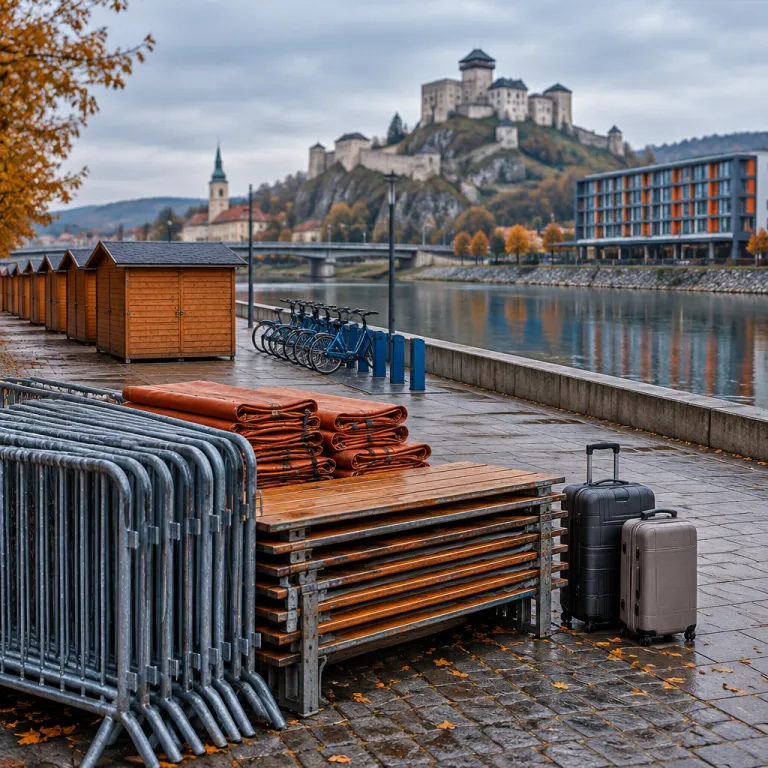
Down by the river, Space Trencin has become shorthand for a new kind of urban beach, where placemaking days have left behind permanent decks, small pavilions and flexible stages. Some days the program is dense with art music, readings and small events; on others, the same space hosts nothing more than people reading, cycling and talking, which is its own kind of cultural experience. This is where the Trencin 2026 promise of a European capital of culture becomes real in the plural, as different experiences layer over time without needing a constant festival.
Luxury travellers who know Slovakia from spa resorts like the Grand Hotel Kempinski in the High Tatras will recognise the same attention to setting and rhythm along the Váh. An elegant stay in the mountains offers one kind of retreat, while a weekend in Trencin Slovakia now offers another, more urban but still slow, shaped by the river, the castle and the new cultural venues. The key is to read the city as a sequence of spaces rather than a checklist of events, and to trust that the Trencin 2026 investment in infrastructure will keep paying off long after the banners come down.
Where to stay for a culture led weekend
Choosing the right hotel in Trenčín is now as much about cultural proximity as it is about thread count. Properties clustered under the castle hill place you within a short walk of the main Trencin 2026 venues, the riverfront public space and the compact grid of streets where local stories unfold in cafés and wine bars. For a solo explorer, that means you can move easily between an afternoon exhibition, an evening of art music and a late night city fiesta without ever needing a taxi.
Look for addresses that have leaned into the Trencin 2026 ethos of hospitality, where old hierarchies between guests and residents soften in shared lounges, reading rooms and small courtyards. Some of the most interesting stays now treat their lobbies as informal cultural spaces, hosting small events, readings and editor talks that extend the official program in a quieter key. This is where Trencin trust is built, as visitors read the city through the eyes of people who live and work in Trencin Slovakia all year.
If you are planning a wider Slovak itinerary, it makes sense to pair a Culture Trencin weekend with a night or two in Bratislava at a riverside luxury address such as the Grand Hotel River Park, where riverside elegance in Bratislava mirrors the renewed Váh embankment. That combination lets you feel how the European capital status of Bratislava and the European Capital of Culture title of Trencin 2026 speak to each other across the country. You move from Danube scale to Váh intimacy, from national capital to regional city, and in both places the same questions of public space, cultural experiences and hospitality shape where you sleep and how you spend your days.
Beyond the city: spa towns, vineyards and valley light
Trenčín does not exist in isolation; the Trencin 2026 story stretches along the Váh valley into spa towns, vineyards and quiet villages. A culture led weekend in the city pairs naturally with a few days in nearby spa resorts such as Trenčianske Teplice, where the same European capital of culture themes of care, hospitality and time well spent take on a wellness inflection. You might spend your mornings in thermal pools and your afternoons back in Trencin Slovakia, reading local stories in a café before an evening of art music.
Wine travellers will find that the Trencin 2026 momentum has encouraged small producers to host more structured tastings, often framed as intimate events rather than mass tourism. Here, placemaking ideas move from public space to private cellars, where an editor of the tasting notes might talk about balance between local grapes and wider European styles. These experiences feel far from any city fiesta, yet they are part of the same Trencin cultural fabric that values depth over spectacle.
For those tracing Central European history, Trenčín also connects neatly to other Slovak narratives, from Habsburg coronations in Bratislava to mountain retreats in the Tatras. Reading about Bratislava’s layered past through an article on coronation weekend hotels can enrich your sense of how different Slovak cities have used hospitality to frame culture. Taken together, these routes show how Trencin 2026 is less a one off European capital project and more a chapter in a longer story of how Slovakia uses hotels, spas and riverfronts as stages for its evolving cultural identity.
Why off peak seasons suit the new Trenčín
Once the peak Trencin 2026 calendar quiets, the city settles into a rhythm that suits independent travellers who prefer space over spectacle. Autumn and winter bring softer light on the castle walls, emptier river paths and hotel lounges that feel like private reading rooms rather than festival waiting areas. In these months, you can read the traces of the European Capital of Culture year in the details of public space, not in the noise of major events.
Off peak stays also reveal how deeply Trencin 2026 has shifted local attitudes to hospitality and cultural hosting. Staff in luxury and premium properties have lived through the intense days Trencin of the headline program and the quieter placemaking days that followed, and they now carry a calm confidence about their city’s place in Europe. Conversations at reception or in the bar often turn to Culture Trencin, Trencin European collaborations and the old ideas that the capital culture project helped to retire.
For a solo explorer, this is when trust grows most naturally, in unhurried exchanges and small, unscripted experiences. You might share a table in a hotel lounge with a local editor working on a piece about Trencin trust, or join a small group heading out to an evening exhibition announced only on a chalkboard. The absence of a packed Trencin 2026 schedule becomes a luxury in itself, allowing you to skip content overload and let the city, its art music and its renewed spaces speak at their own pace.
FAQ
Is Trenčín still worth visiting after the European Capital of Culture year ends?
Yes, Trenčín remains a compelling destination because much of the Trencin 2026 investment went into lasting infrastructure, venues and public space rather than temporary stages. The castle area, riverfront and cultural institutions continue to host exhibitions, art music performances and smaller events throughout the year. Luxury and premium hotels now integrate Culture Trencin into their guest experiences, so you still feel the European capital energy even on a quiet weekend.
Where should I stay in Trenčín for easy access to cultural venues?
For a culture led stay, choose hotels in or just below the historic centre, within walking distance of the castle hill and the Váh riverfront. This area keeps you close to key Trencin 2026 venues, galleries and public space installations, while also offering quick access to cafés and wine bars that host informal events. If you prefer a multi city itinerary, you can pair a Trenčín weekend with a night in Bratislava or the High Tatras for a broader view of Slovak hospitality.
How many days do I need in Trenčín as a solo traveller?
Two full days work well for a first visit focused on Trencin 2026 legacies, giving you time for the castle, riverfront and a couple of exhibitions. A third day lets you slow down, discover more of the Trencin cultural scene, attend an evening of art music and perhaps take a short trip into the surrounding Váh valley. Solo travellers who enjoy reading, walking and people watching in public space often find that three nights strike the right balance between depth and flexibility.
Can I combine Trenčín with spa or wine experiences nearby?
Yes, Trenčín sits within easy reach of several spa towns and wine areas in western Slovakia, making it ideal for a mixed itinerary. Many travellers spend a Culture Trencin weekend in the city, then move on to thermal resorts or vineyards for slower days focused on wellness and local stories. This combination reflects the broader Trencin 2026 themes of care, hospitality and balance between urban culture and rural landscapes.
Is autumn or winter a good time to visit Trenčín for culture?
Autumn and winter are excellent seasons if you prefer fewer crowds and more intimate cultural experiences. The main Trencin 2026 festival peak may have passed, but galleries, theatres and smaller venues continue to run a steady program of exhibitions and performances. Cooler months also make it easier to appreciate the renewed public space, as you have more room to walk, read and engage with the city at your own pace.