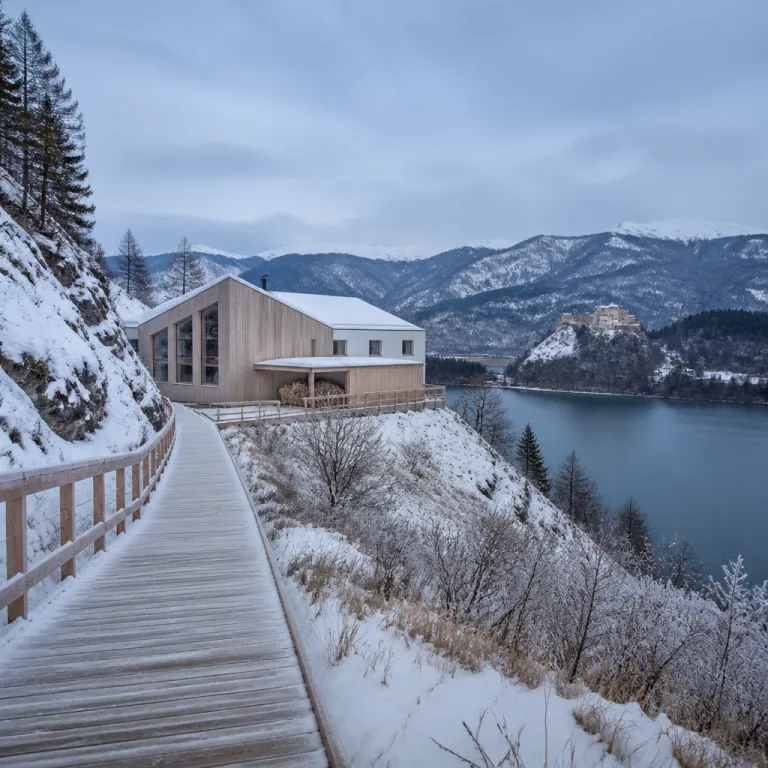
Orava Slovakia travel guide for couples who prefer quiet peaks
Orava sits in northern Slovakia, a mountain region where time slows. This orava slovakia travel guide focuses on couples who want the drama of the Tatras without the crowds, and who care as much about the right room key as the right hiking trail. In this orava region, luxury is measured in panoramic views, silence after dark and the feeling that the staff actually remember how you take your morning coffee.
Think of this travel guide as a counterpoint to the usual Slovakia travel loop between Bratislava, the High Tatras and Bojnice Castle. While those slovak icons deserve their fame, Orava offers a different experience, with castle silhouettes, wooden village churches and western Tatras ridgelines that feel almost private. For many couples, this becomes the slovakia best kept secret, especially when they realise how premium stays here undercut comparable High Tatras suites on price.
The orava slovakia travel guide starts at Oravský Podzámok, where Orava Castle rises 112 meters above the river. This castle orava complex is one of the most atmospheric fortresses in central Slovakia, and it anchors the whole region both visually and in terms of history. From here, the itinerary arcs through Dolný Kubín and into the Roháče sector of the western Tatras, where hiking trails, national park landscapes and quiet guesthouses create a three night rhythm that feels both curated and unforced.
When you plan a stay, the best time for this orava region itinerary is shoulder season, when the orava forest glows in soft light and public transport still runs on its fuller schedules. Couples who usually book in the High Tatras often pivot north after reading a detailed travel guide that highlights Orava’s value and intimacy. This orava slovakia travel guide leans on that same logic, but adds hotel level detail for travelers who expect crisp sheets, strong Wi Fi and a wine list that reaches beyond the usual slovak labels.
Night one: Orava Castle, candlelit tours and riverside stays
Arrive from Bratislava by mid afternoon, either by rental car or a combination of train and public transport to Oravský Podzámok. The drive from the capital takes around three hours, cutting through central Slovakia and giving a first taste of the orava region’s rolling hills and distant views of the western Tatras. Couples coming from the High Tatras resorts such as Štrbské Pleso or Tatranská Lomnica usually need about an hour and a half, which makes Orava an easy add on to a wider slovakia travel circuit.
Orava Castle is the reason you start here, and it more than earns its place in any serious orava slovakia travel guide. Built in the 13th century, it has Gothic, Renaissance, and Baroque elements. That single sentence from the official history hints at the layers you walk through on a guided tour, from stone courtyards to timbered interiors and small exhibitions that explain how this castle shaped the region’s history.
Book the evening candlelit tour if it is offered during your stay, because the experience changes the way you see the castle. The innovation of these night visits lies not in theatrics, but in pacing ; you move slowly, in small groups, with long pauses at windows that frame views castle silhouettes and the dark orava forest below. Many couples say this is the moment the region stops being a line in a travel guide and becomes a place they feel.
For accommodation, look for riverside pensions or small luxury focused guesthouses in Oravský Podzámok or nearby Dolný Kubín, where some properties now offer spa corners and rooms with direct panoramic views of Orava Castle. This is not the polished five star world of the Grand Hotel Kempinski at Štrbské Pleso, reviewed in depth in our High Tatras mountain hotel review, but the best addresses here compensate with intimacy and attentive local hosts. Ask for a room on an upper floor ; waking to the castle orava outline in morning mist is one of the region’s quiet luxuries.
Day two: Zuberec, wooden villages and the new Alpina address
On your second day, this orava slovakia travel guide steers you west towards Zuberec, a town that feels like a gateway between the orava region and the western Tatras. The road threads through villages where wooden houses, roadside shrines and the occasional church tower sketch out the area’s history in real time. It is a short drive from Dolný Kubín, but the change in atmosphere is striking ; the mountains close in, the air cools and the pace of life slows another notch.
Zuberec is best known for its open air museum, where traditional wooden architecture from across Orava has been carefully relocated and restored. Here you walk through a recreated village, stepping into timbered farmhouses, a wooden church and small barns that show how slovak families once lived in this region’s harsh winters. For couples, it is an unexpectedly romantic stop, especially in late afternoon when the light softens and panoramic views of the surrounding hills frame the museum’s clustered roofs.
Stay at Apartmány Alpina, a newly opened property in Zuberec that brings a premium edge to local hospitality with inner courtyard views and contemporary alpine styling. While it does not try to imitate the grand spa hotels of the High Tatras, Alpina offers what many couples actually want in Orava ; warm materials, strong showers, thoughtful lighting and staff who can suggest both hiking trails and the best local restaurant for grilled trout. Book a courtyard facing apartment for maximum quiet, and ask about late checkout if you plan a long morning in the Roháče mountains.
Use the evening to stroll through Zuberec’s streets, where small pensions and guesthouses line the main road and side lanes lead to quieter corners of the village. Dinner should lean into local flavours ; order grilled sheep cheese, korbáčiky and other orava specialities, pairing them with a slovak white wine from the south of the country. If you are planning to continue later towards Tatranská Lomnica, our guide to quiet premium stays in that resort will help you compare atmospheres and decide how to split your nights between Orava and the higher Tatras.
Day three: Roháče hiking, forest railways and Orava’s soft luxury
The third day in this orava slovakia travel guide is about the Roháče mountains, the westernmost extension of the Tatras range. From Zuberec, short drives or local public transport links bring you to trailheads that climb towards alpine lakes and ridgelines with wide views across the orava region. These hiking trails sit within protected national park zones, so expect clear waymarking, modest infrastructure and a strong emphasis on preserving the orava forest.
Couples used to the High Tatras will notice the difference immediately ; fewer people, quieter paths and a sense that the mountains still belong mostly to locals. The best time to hike here is outside the hottest summer weeks, when temperatures are comfortable and panoramic views remain crisp throughout the day. Pack layers, proper footwear and some cash, as smaller mountain huts and forest railway attractions in central Slovakia sometimes do not accept cards.
After a day on the trail, the luxury in Orava is not about marble lobbies, but about how quickly you can move from mountain to sauna or hot tub. Many pensions around Zuberec and Dolný Kubín now offer small wellness corners, and the most thoughtful hosts will have snacks ready when you return from your tour. This is where slovakia best soft tourism philosophy comes into focus, and you can read more about that approach in our feature on Slovakia’s quietest national park strategy.
Evening is the moment to walk through the village again, noticing how the church bells mark time and how the town lights pick out the contours of the surrounding hills. Order a final dinner heavy on local ingredients, perhaps trout, potatoes and more sheep cheese, and raise a glass to a region that still feels largely untouched by mass tourism. By the time you leave, Orava will likely have shifted from a line in a travel guide to the place you recommend when friends ask for slovakia travel ideas beyond Bojnice Castle and the usual High Tatras loop.
How Orava compares: castles, culture and quiet luxury in Slovakia
Any serious orava slovakia travel guide has to answer one question clearly ; why here, when slovakia offers so many other mountain and castle regions. The comparison usually starts with Orava Castle, whose cliff top position and layered history rival more famous sites like Bojnice Castle in central Slovakia. Where Bojnice leans into fairy tale aesthetics and large scale tourism, Orava Castle offers a more intimate experience, especially during evening tours when crowds thin and the architecture feels close.
From a cultural angle, the orava region stands apart through its wooden architecture, Goralský influences and strong village traditions. You see it in the way churches sit at the heart of each town, in the wooden houses preserved at the Zuberec museum and in the small festivals that celebrate local crafts. While Orava does not yet have a major UNESCO heritage listing like some slovak wooden churches elsewhere, the atmosphere in these villages carries the same sense of continuity and care.
For couples choosing between the High Tatras, western Tatras and Orava, the decision often comes down to rhythm and expectations. The High Tatras excel at grand hotels, extensive spa menus and quick access to high altitude hiking trails, while the western Tatras around Orava offer quieter paths, softer peaks and more personal hosting. This orava slovakia travel guide argues that the best itinerary blends both, using Orava as the place to slow down after a few intense days in the higher mountains.
Logistically, Orava connects well to the rest of Slovakia, with public transport links to Dolný Kubín and Oravský Podzámok from larger hubs. Many travelers pair a few nights here with time in Bratislava, then loop through central Slovakia to visit Bojnice Castle before returning to the capital. However you structure it, the key is to give the orava region enough nights that it can work its quiet, candlelit spell rather than just serving as a quick castle stop on a rushed slovakia travel checklist.
Practical tips for booking premium stays in the Orava region
When planning a trip with this orava slovakia travel guide, start by deciding your base between Oravský Podzámok, Dolný Kubín and Zuberec. Oravský Podzámok works best for travelers who want Orava Castle views and easy access to evening tours, while Dolný Kubín offers more town services and a wider range of pensions. Zuberec is ideal for couples focused on hiking in the western Tatras and Roháče, with Apartmány Alpina as the standout new premium option.
Book well ahead for peak weekends, especially if your dates coincide with local festivals or school holidays in Slovakia and neighbouring countries. The best time for quieter stays with stable weather usually falls in late spring and early autumn, when hiking trails are open, the orava forest is lush and panoramic views are often at their clearest. Winter brings its own charm, but couples should be ready for shorter days and more limited public transport schedules.
For payments and logistics, carry some cash alongside cards, as smaller guesthouses and village restaurants may not accept all international methods. Use regional public transport where possible for shorter hops, but consider a rental car if you plan to link Orava with Bratislava, the High Tatras and central Slovakia in a single loop. Always check weather forecasts before mountain tours, wear comfortable hiking shoes and remember the simple advice that underpins every good orava slovakia travel guide ; slow down, stay flexible and let the region’s rhythm set your own.
Two common questions from readers deserve clear answers here ; “What is Orava Castle's history?” and “What activities are available in Orava?”. The official responses are straightforward ; “What is Orava Castle's history?" "Built in the 13th century, it has Gothic, Renaissance, and Baroque elements." "What activities are available in Orava?" "Hiking, cultural tours, and local cuisine tasting." Taken together, those lines capture why this orava region belongs on any slovakia travel short list for couples who value both culture and landscape.
FAQ
How many nights should couples spend in the Orava region ?
Three nights are ideal for most couples following this orava slovakia travel guide. That allows one evening focused on Orava Castle, one full day in Zuberec and the open air museum, and one day in the Roháče hiking area. With more time, you can add slower village walks, extra spa sessions and side trips into central Slovakia.
Is Orava suitable for first time visitors to Slovakia ?
Yes, the orava region works well even for a first slovakia travel itinerary, especially when paired with Bratislava and the High Tatras. Infrastructure is solid, locals are used to visitors and many younger hosts speak good English. The area offers a balanced mix of castle history, village culture and accessible hiking trails.
Do I need a car to follow this Orava Slovakia travel guide ?
A car gives maximum flexibility, particularly for reaching trailheads in the western Tatras and smaller villages. However, it is possible to combine trains and public transport buses to reach Oravský Podzámok, Dolný Kubín and Zuberec. Couples who prefer not to drive should allow extra time for connections and check seasonal schedules carefully.
How does Orava compare in price to the High Tatras ?
In general, premium rooms and apartments in the orava region cost less than comparable stays in the High Tatras. You may trade large spa complexes for smaller wellness corners, but you gain quieter surroundings and more personal hosting. Many couples feel the overall experience offers better value, especially outside peak holiday periods.
Are there any UNESCO heritage sites in Orava ?
There is no major UNESCO heritage listing directly in the core orava region around Orava Castle, Dolný Kubín and Zuberec. However, the wooden church traditions and preserved village architecture share characteristics with recognised slovak sites elsewhere. Travelers interested in UNESCO heritage can easily add those locations to a wider slovakia travel loop that includes Orava.