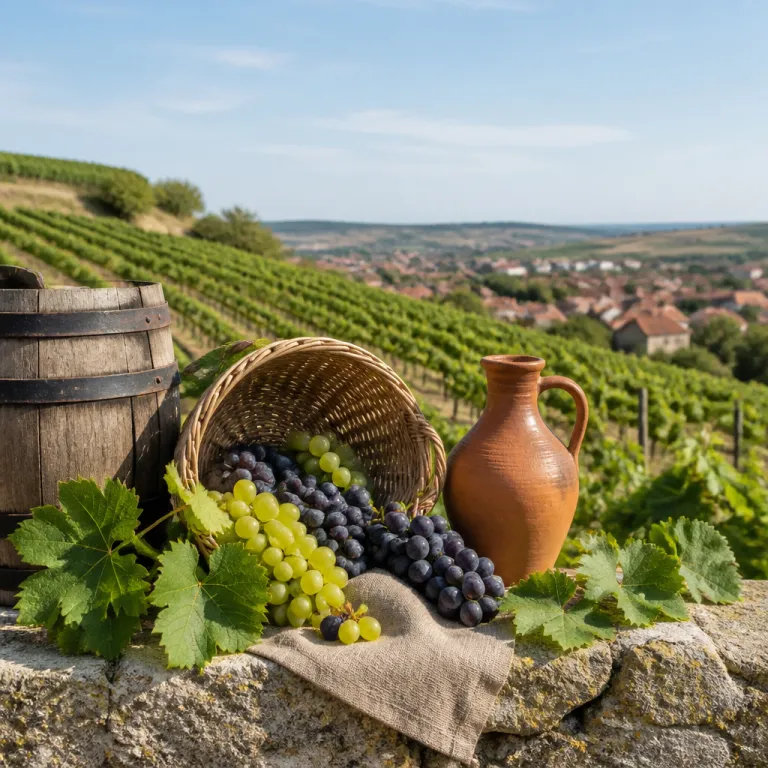
Why the Small Carpathian wine route in Slovakia belongs on your luxury list
The Small Carpathian wine route in Slovakia is the country’s most walkable wine region, running from Bratislava’s Rača suburb through Svätý Jur to Pezinok. This wine region sits on the lower slopes of the Small Carpathians, where vineyards press right up against forested hills and the mountains feel close yet surprisingly gentle. For couples used to Napa or Burgundy, the combination of small towns, historical cellars and uncrowded trails feels rich, intimate and quietly indulgent.
Here the landscape is compact enough that you can walk between vineyards, wine cellars and hotels without ever needing a car, which makes the Small Carpathian wine route ideal for a long weekend. The official wine trail continues beyond Pezinok towards Modra and Trnava, but the Rača to Pezinok section concentrates many of the best wines, most atmospheric cellars and most polished Slovak hospitality. You move through a sequence of wine towns where Grüner Veltliner, Frankovka Modrá and Rizling Vlašský are poured with the same pride as Champagne in Paris.
Luxury here is not about chandeliers; it is about a vintner in Svätý Jur drawing wine from a barrel in a seventeenth century cellar while you still have dust from the trail on your boots. The wine culture in these Small Carpathian towns is old, but the hotels and tasting rooms are learning the language of premium travel very well. For couples booking through curated platforms that specialize in Slovakia, the promise is simple and small scale: carefully chosen properties, direct access to wine producers and a route that feels crafted for slow, romantic travel.
Designing a three day walking route from Rača to Pezinok
The classic long weekend on the Small Carpathian wine route covers roughly 50 kilometers with about 650 meters of elevation gain. That distance, reported by regional hiking resources and confirmed by common GPX tracks used by local guides, breaks naturally into three days: Rača to Svätý Jur, Svätý Jur to Pezinok, then a final day exploring Pezinok and nearby vineyards. The terrain is mostly gentle paths between vineyards and forest tracks along the Small Carpathians, with occasional steeper sections where the foothills rise more sharply.
On day one you leave Bratislava’s tram network behind in Rača, where urban streets quickly give way to rows of vines climbing towards the hills. The first stretch of the route threads between small vineyards and family wine cellars, then climbs slightly into the woods before dropping towards Svätý Jur, one of the most historical wine towns in Slovakia. Expect around 15 to 18 kilometers of walking, which allows time for tastings of local wines such as Veltlínske Zelené and Müller Thurgau in the afternoon. Many travelers aim to arrive by mid-afternoon, check into a guesthouse and then join an early evening cellar visit before dinner.
Day two from Svätý Jur to Pezinok follows the spine of the Small Carpathians above the vineyards, then drops into the wine region again near the outskirts of town, with views that stretch back towards Bratislava as well as across the plains. This section of the wine route feels wilder and more forested, yet you are never far from a cellar door or a bus stop if the weather turns. For travelers who appreciate soft tourism, the rhythm of hiking, tasting and staying in small Slovak towns mirrors the ethos explored in Slovakia’s quiet national park strategies, which emphasize low-impact, human-scale travel in sensitive landscapes.
Key wine towns on the route: Rača, Svätý Jur and Pezinok
Rača, on the northeastern edge of Bratislava, is your gateway to the Small Carpathian wine region and a reminder that the capital is itself a wine city. Here you can taste wine made almost within the city limits, with vineyards rising behind tram stops and modest wine cellars tucked between family houses. The local Frankovka Modrá from Rača has a long history, and many Slovak producers still treat this red as a calling card for the region.
Svätý Jur, often written as Svatý Jur in older texts, is where the Small Carpathian story deepens: cobbled streets, Renaissance burgher houses and historical cellars that run under half the town. The vineyards above Svätý Jur produce some of the most characterful Grüner Veltliner and Rizling Vlašský in the area, with stony soils that give the wines a precise, mineral edge. Walking down from the forest into town at golden hour, with bells ringing and the smell of fermenting grapes in autumn, is one of the most quietly romantic experiences in western Slovakia.
Pezinok is the largest of the wine towns in this part of the region, and it makes an excellent base for a final night in more polished surroundings. The town has a mix of historical wine cellars, a castle turned cultural center and increasingly confident wine producers who are experimenting with both traditional Slovak varieties and international grapes. Couples who enjoy pairing vineyard days with mountain stays can easily connect this wine route with a later escape to the High Tatras, where guides to Tatranská Lomnica’s quiet premium hotels show how Slovak hospitality is maturing beyond the capital.
Cellars, varieties and producer led tastings worth planning around
The essence of the Small Carpathian wine route lies in its cellars, where stone, wood and cool air shape the wines as much as the vineyards above. In Rača and Svätý Jur you will find family wine cellars that have been in use for more than a century, with arched ceilings blackened by time and rows of barrels holding Grüner Veltliner, Müller Thurgau and Frankovka Modrá. These producer led tastings are intimate; often the person pouring your glass also pruned the vines and racked the wine.
Across the Small Carpathians, the key white varieties are Grüner Veltliner, known locally as Veltlínske Zelené, and Rizling Vlašský, while reds focus on Frankovka Modrá and increasingly on Pinot Noir. The wines from this wine region tend to be fresh, food friendly and relatively low in alcohol, which suits a walking route where you might taste several wines in one day. Look for producers who offer structured flights that compare different vineyard parcels or vintages, as this is where the richness of the terroir becomes clear.
In Pezinok and Modra, many wine producers have invested in more polished tasting rooms while keeping their historical cellars intact, creating a balance between comfort and authenticity that suits luxury travelers very well. Some estates near Pezinok and Modra also organize vineyard walks that trace the line between the last vines and the first trees of the Small Carpathian hills, giving you a sense of how small the gap is between wine culture and wilderness here. For a different perspective on slow, human scale travel in this part of Europe, consider pairing your wine weekend with a later cycling journey along the Iron Curtain Trail between Bratislava and Vienna, described in detail in guides to cycling from Bratislava to Vienna in spring.
Staying in style: Pezinok’s H23 mansion and other premium bases
For couples who want a refined base at the end of the Small Carpathian wine route, Pezinok’s reconstructed mansions are the most compelling option. One standout is the boutique H23 residence, a sixteen room property in a restored bourgeois house that brings contemporary Slovak design into a historical shell. Rooms are small by global luxury standards but well proportioned, with high ceilings, quality linens and a calm palette that lets the soft Carpathian light do the work.
On the ground floor, a modern restaurant often anchors the experience with a menu that leans into the wine region’s strengths: grilled river fish, seasonal vegetables and dishes built around local cheeses and charcuterie. The wine list typically highlights Small Carpathian producers, with flights that let you compare Grüner Veltliner, Veltlínske Zelené and Rizling Vlašský from different vineyards around Pezinok, Modra and Svätý Jur. Staff are used to guests arriving on foot from the route, so there is no raised eyebrow if you check in with dusty boots and a backpack rather than a suitcase.
Beyond the central mansions, Pezinok and nearby Modra offer a handful of premium guesthouses and small hotels that understand the expectations of international travelers from the United States and western Europe. Many partner directly with wine producers to arrange private tastings in historical cellars, or to organize transfers to landmarks such as the ruined castle above Modra, where the walls look back over the entire wine region. When booking through a specialist platform, look for properties that mention direct relationships with local vineyards and that can arrange both wine routes and hiking guides in the Small Carpathians.
Hidden gems along the Small Carpathian slopes: castles, trails and quiet vineyards
One of the pleasures of the Small Carpathian wine route is how quickly you can step away from the main streets into silence. Above Modra and Pezinok, side trails lead through mixed forest to clearings where small vineyards cling to steep slopes, often with a single shack and a few rows of vines tended by one family. These pockets of the hills feel far removed from Bratislava, yet you are rarely more than an hour from a tram or train back to the capital.
The ruined castle above Modra offers one of the best viewpoints over the wine region and the plains beyond, especially in late afternoon when the light catches the rows of vines. From here you can see how the Small Carpathians form a low wall between the Danube basin and the interior of Slovakia, with the mountains rising more dramatically further northeast. Many locals bring a bottle of regional wine and glasses to share at the ruins, turning the site into an informal open air tasting room.
Another quiet highlight is the network of unmarked paths between Svätý Jur and Modra, where old stone terraces and abandoned wine cellars tell the story of a wine region that has expanded and contracted over the centuries. Walking here, you sense how rich the cultural layering is: medieval trade routes, Habsburg era vineyards and modern Slovak weekend houses all coexist on the same slopes. For couples who enjoy combining history, landscape and wine, these small detours off the main route often become the most memorable parts of the trip.
Practical logistics: getting in, getting around and tasting responsibly
Reaching the Small Carpathian wine route is straightforward from Bratislava, which has direct air links to several European hubs and easy connections from Vienna for travelers arriving from the United States. From the city center, trams and buses reach Rača in under thirty minutes, placing you at the start of the wine route without needing a taxi. At the other end, Pezinok has frequent trains and buses back to Bratislava, so you can return to the capital for a final night or continue deeper into Slovakia.
The full Rača to Pezinok route is around 50 kilometers, and most couples with moderate fitness will find the 650 meters of elevation gain manageable over three days. Wear comfortable shoes, carry a good map or GPS app and check the opening hours of wineries in advance, as smaller wine producers may only open their cellars on certain days. Local tourist information centers in Rača, Svätý Jur and Pezinok can connect you with guides who specialize in wine routes and who understand both the terrain of the Small Carpathians and the nuances of Slovak wine culture.
Tasting along the way requires a little discipline: focus on a few key cellars each day, spit when necessary and drink plenty of water, especially in warmer months. Many wine cellars offer small plates or simple food, but it is wise to plan proper meals in towns such as Svätý Jur, Pezinok and Modra, where restaurants understand how to pair local wines with regional dishes. For couples planning a longer Slovak itinerary, this wine region combines well with time in the High Tatras or in quieter national parks, creating a balanced trip that moves between vineyards, mountains and spa towns without ever feeling rushed.
Key figures for the Small Carpathian wine route
- The Rača to Pezinok section of the Small Carpathian wine route covers approximately 50 kilometers, which suits a relaxed three day itinerary for most walkers (source: regional hiking data and commonly used GPX tracks).
- Total elevation gain along this part of the route is around 650 meters, making it accessible to travelers with moderate fitness rather than only experienced hikers (source: regional trail summaries and local guide estimates).
- The broader Small Carpathian wine region stretches from Bratislava’s Rača district to Trnava, with key wine towns including Svätý Jur, Pezinok and Modra recognized as core production centers (source: Slovakia travel information and regional wine association materials).
- The Slovak National Collection of Wine in Bratislava showcases a rotating selection of top Slovak wines for tasting at any one time, offering an efficient way to sample leading producers before or after your walk (source: visitor accounts and official tourism materials).
- A long weekend format of three days on the route aligns with local tourism recommendations, which suggest one day each for Rača to Svätý Jur, Svätý Jur to Pezinok and a final day exploring Pezinok’s cellars and historical center (source: regional tourism boards and Small Carpathian wine route guides).
FAQ: walking the Small Carpathian wine route from Rača to Pezinok
How long does it take to walk from Rača to Pezinok?
Most travelers complete the Rača to Pezinok section of the Small Carpathian wine route in three days at a moderate pace. This allows time for tastings in Rača, Svätý Jur and Pezinok without rushing the hiking sections. Very fit walkers could compress it into two days, but that leaves little room for relaxed cellar visits.
What is the terrain like on the route?
The terrain between Rača and Pezinok is a mix of vineyard tracks, forest paths and short stretches of paved road near towns. Total elevation gain is about 650 meters, spread across gentle climbs and descents along the Small Carpathians. Good walking shoes are sufficient; technical mountain gear is not necessary in normal conditions.
Do I need to book wine tastings in advance?
In larger towns such as Pezinok and Modra, some wine cellars accept walk in visitors, especially on weekends and during harvest. For smaller producers in Rača and Svätý Jur, it is wise to book tastings ahead, as many are family operations with limited opening hours. Tourist information centers and hotel concierges can help secure appointments with specific wine producers.
Is the route suitable for first time visitors to Slovakia?
Yes, the Small Carpathian wine route in Slovakia is an excellent introduction to the country for first time visitors. It combines easy logistics from Bratislava with access to historical towns, vineyards and authentic Slovak hospitality. English is increasingly spoken in hotels and wineries, especially in Pezinok and Bratislava.
Can I combine this walk with other Slovak regions in one trip?
The Rača to Pezinok route pairs well with time in Bratislava, the High Tatras or quieter national parks in central Slovakia. Efficient rail and road connections mean you can move from the wine region to mountain resorts or spa towns within a few hours. Many travelers choose a week long itinerary that starts with the wine route and ends with a stay in a mountain hotel or wellness retreat.