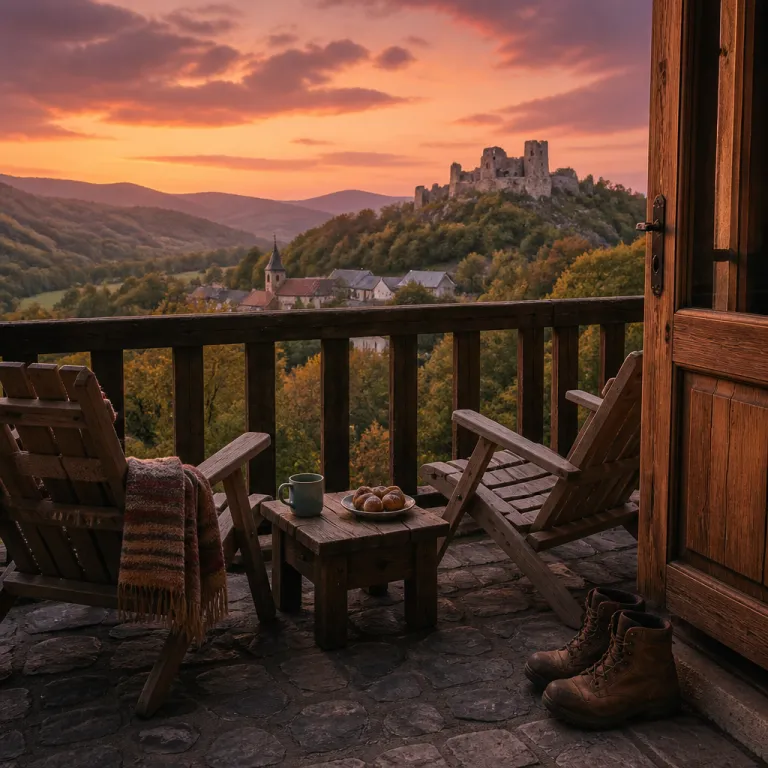
Gemer region Slovakia travel for patient luxury seekers
The Gemer region lies in a quiet south-central corner of Slovakia, far from the country’s headline ski resorts and spa towns. This historic pocket of eastern Slovakia grew from a medieval mining frontier into a discreet tourism area that now attracts travellers who prefer silence to souvenir stands. For guests planning a slower trip to the Gemer region, the reward is a rare mix of caves, castles, manor houses and national parks with almost no crowds.
The historic territory of Gemer once enriched aristocratic families such as the Bebek, Andrássy and Coburg dynasties, and their legacy still shapes today’s cultural landscape. You see it in the scattered manor houses, the hilltop castle ruins and the compact centre of Rožňava, which anchors this part of eastern Slovakia with a calm, provincial rhythm. For travellers used to polished capitals, this Slovak region feels refreshingly unedited, as if someone forgot to write the script of mass tourism into its streets.
Regional tourism boards now present Gemer as a model for eco tourism and cultural tourism, rather than a mass market destination. Their stated goals are simple and clear: “Preserve heritage”, “Boost economy”, “Sustain environment”, and the expected impact is described as “Increased tourism and cultural appreciation”. For luxury-minded visitors, that strategy means protected areas remain intact, local communities stay visible and the national focus on environmental protection keeps the karst landscapes and forests feeling genuinely wild.
Rožňava works as the practical centre for most Gemer itineraries, with a small grid of streets, a listed square and a few quietly ambitious guesthouses. From here, you can plan short drives into the Slovak Karst (Slovenský kras) National Park landscape, or longer loops across neighbouring regions of Slovakia such as Novohrad and Spiš. The town’s mining history still shows in its museum collections and industrial edges, yet the overall atmosphere is more natural cultural crossroads than former extraction hub.
For travellers comparing regions of Slovakia, Gemer stands apart because it has no major ski resort, no thermal mega complex and no cruise of tour buses. Instead, you get a network of national park landscapes, UNESCO heritage caves and small castles, all stitched together by local roads where sheep outnumber rental cars. That slower rhythm suits independent travellers who want this part of Slovakia to feel like a lived-in region, not a curated theme park.
UNESCO caves, karst landscapes and a three day Gemer circuit
The headline reason many travellers finally edit their plans and add Gemer is underground rather than above ground. This region of Slovakia holds one of the densest concentrations of karst cave systems in Central Europe, with several sites recognised as UNESCO heritage for their geological and natural cultural value. For a luxury-minded guest, the appeal lies in pairing these world-class caves with characterful manor stays and castle visits, rather than ticking them off on a rushed bus tour.
Start your Gemer region circuit in Rožňava, where you can base yourself in a restored townhouse or nearby manor-style accommodation. Day one focuses on the Slovak Karst, known locally as Slovenský kras, a karst national landscape of sinkholes, plateaus and deep gorges that forms part of a cross-border heritage site with Hungary. From Rožňava, it is a short drive of about 25 kilometres to Domica Cave, the Slovak side of the Baradla–Domica system, where boat rides on the underground river reveal the scale of this shared karst national wonder.
On day two, head north towards the Muránska planina plateau, stopping first at Betliar Manor, one of the most refined manor houses in eastern Slovakia. This former Andrássy residence combines aristocratic interiors with landscaped park grounds, and it works beautifully as a half-day cultural stop between cave visits and highland walks. If you appreciate aristocratic heritage, consider pairing Betliar with a stay at a grand country estate elsewhere in Slovakia, such as the refined property featured in this insider guide to a quiet five star chateau stay at Château Belá after hours.
Day three can be shaped around Ochtinská Aragonite Cave, one of only three aragonite caves on the planet and a highlight of any Gemer itinerary. Timed entry slots keep numbers low, so book ahead via the Slovak Karst and Slovenské rudohorie cave administration pages and plan a relaxed lunch in a nearby village to avoid rushing between protected areas. The visual impact of the aragonite formations, which resemble underwater coral frozen in stone, stays with you long after you step back into the daylight.
With an extra day, you can extend your route towards Rimavská Sobota and the southern fringes of the region, where small towns and villages show another face of Slovak rural life. This area links Gemer to the Novohrad–Nógrád geopark, a wider cross-border territory where volcanic hills, traditional pottery villages and an ice cave in the broader karst system add another layer to the region’s tourism offer. For independent travellers, that four-day loop balances caves, castles, manor houses and village walks without ever feeling rushed.
Muránska planina, Muráň Castle and the quiet plateau culture
While the caves of Slovenský kras attract most of the headlines, the high plateau of Muránska planina offers Gemer’s most quietly luxurious landscape. This national park sits on the northern edge of the region, where limestone cliffs drop into forests and open pastures grazed by hardy horses. For travellers who value space over spas, Muránska planina is where a trip through Gemer shifts from sightseeing to slow immersion.
Walking routes here range from short two-hour loops to full-day hikes that cross the plateau and descend into neighbouring valleys. One of the most rewarding routes climbs towards Muráň Castle, a romantic ruin perched above the village of Muráň, where views stretch across multiple regions of Slovakia on a clear day. The path passes old grazing clearings and forest sections that form part of the national park’s protected areas, giving you a sense of how traditional shepherd culture shaped this Slovak landscape.
Accommodation around Muránska planina is simple but atmospheric, with renovated farmsteads and small guesthouses rather than large hotels. For luxury travellers used to five-star service, the comfort level is closer to premium agritourism, yet the trade-off is direct access to trails and local life. If you are curious about how Slovakia is rethinking soft tourism in its quieter national park territories, the broader strategy is explored in depth in this analysis of a quiet national park booking trend at Slovakia’s soft tourism wager.
From a cultural perspective, Muránska planina connects Gemer to the wider story of eastern Slovakia, where highland grazing, timber work and small-scale mining once underpinned rural economies. Today, conservation programs and tourism boards work with local communities to balance visitor numbers with environmental protection, using guided tours and interpretive trails as their main tools. For travellers, that means you can walk through a national park that still feels lived in, rather than frozen as an outdoor museum.
Linking Muránska planina with Slovenský raj, or Slovak Paradise National Park, creates a compelling contrast between two very different protected areas. Slovak Paradise, with its ladders and gorges, is better known and more visited, while Muránska planina remains the quieter sibling where you may walk for an hour without meeting another hiker. In a single trip, you experience how regions of Slovakia manage tourism pressure differently, and why Gemer still feels like a secret shared only with those willing to travel slowly.
Castles, manor houses and the aristocratic layer of Gemer
Above ground, Gemer’s aristocratic past reveals itself through a chain of castles and manor houses scattered across the region. Betliar Manor remains the best-preserved example, a former Andrássy residence where original interiors, a landscaped park and a rich art collection create a rare window into aristocratic life in eastern Slovakia. For travellers interested in cultural tourism, this single manor can anchor an entire day of Gemer region travel.
Closer to Rožňava, the silhouette of Krásna Hôrka Castle, known locally as Krásna Hôrka or Krasna Horka, dominates the landscape above Krásnohorské Podhradie. The castle has faced restoration challenges after fire damage in 2012, and full reopening is still pending according to recent updates from the Slovak National Museum, yet its presence still shapes the identity of the local community and the wider region. When sections are open, guided tours highlight the role of the Bebek, Andrássy and Coburg families in shaping Gemer’s political and cultural history, linking individual rooms to broader events across regions of Slovakia.
Beyond these headline sites, smaller manor houses dot the Gemer countryside, often in various stages of restoration or adaptive reuse. Some have become cultural centres or museums, while others host occasional events that bring together local artists, historians and visitors. For luxury travellers, the most rewarding stays often come from booking into a carefully renovated manor-style property, where a short walk from your room takes you directly into a historic park or village square.
Gemer’s castles also connect to its mining heritage, since many fortifications once protected trade routes and ore deposits. In Rožňava, the mining museum and local exhibitions explain how silver and iron extraction shaped the town’s growth, and why later industrial decline left space for tourism to emerge. That shift from mining to tourism is now part of the region’s identity, with cultural festivals and eco tourism projects reframing former industrial landscapes as heritage assets.
If you are building a wider itinerary across Slovakia, it is worth pairing Gemer’s understated castles with more polished heritage experiences elsewhere in the country. A slow walking day in a medieval town, such as the one described in this guide to exploring a complete medieval centre at your own pace in Bardejov without the tour bus, complements Gemer’s rougher edges. Together, they show how different regions of Slovakia express their history, from perfectly restored squares to half-wild castle hills.
Practicalities, protected areas and where to stay in Gemer
Reaching Gemer requires a little patience, which is precisely why the region still feels unhurried. From Košice, the drive to Rožňava takes around two hours for roughly 90 kilometres, while routes from Banská Bystrica or Rimavská Sobota take closer to three hours, depending on stops. Public transport connections exist, but for flexible travel between caves, castles and national parks, a rental car remains the most practical choice.
Within the region, distances between key sites are relatively short, yet winding roads and protected areas mean travel times can stretch. Plan your days around clusters: one day for Slovenský kras and Domica Cave, another for Ochtinská Aragonite Cave and Betliar Manor, and a third for Muránska planina and Muráň Castle. This approach respects national park regulations, gives you time to engage with local guides and avoids the rushed feeling that often undermines luxury travel.
Accommodation in Gemer leans towards small guesthouses, family-run pensions and a handful of manor-style properties, rather than large international hotels. In Rožňava, you will find comfortable mid-range options with good access to the historic centre, while rural areas offer renovated farmsteads that appeal to travellers seeking quiet and authenticity. For those used to high-end city hotels, the luxury here lies in space, silence and direct contact with local hosts, rather than in room service menus.
When planning visits to caves and national parks, check current access rules, as some sections of Slovenský kras and Muránska planina operate seasonal closures to protect wildlife. Guided tours are mandatory in major caves such as Domica and Ochtinská Aragonite Cave, and group sizes are controlled to preserve the fragile karst formations. These measures can slightly limit spontaneity, yet they also ensure that Gemer remains a long-term heritage site rather than a short-lived tourism boom.
Food wise, expect hearty Slovak dishes, local cheeses and seasonal game, often served in simple dining rooms rather than design-led restaurants. In Rožňava and Rimavská Sobota, a small but growing number of places now experiment with lighter menus and regional ingredients, reflecting a broader shift in Slovak culinary culture. For many travellers, that combination of traditional flavours, protected landscapes and quietly evolving hospitality is exactly what makes this region of Slovakia worth the journey.
FAQ
What is Gemer best known for among travellers ?
Gemer is best known for its combination of historic sites, UNESCO listed caves and relatively untouched natural landscapes. The region’s highlights include the Slovak Karst cave systems, Betliar Manor and the high plateau of Muránska planina National Park. For many visitors, the appeal lies in experiencing these places without the crowds found in more famous Slovak regions.
How do I get to the Gemer region without a car ?
You can reach Gemer by train or bus, usually via Košice, Zvolen or Banská Bystrica, then continue to Rožňava or Rimavská Sobota. Once in the region, local buses connect major towns and some villages, but services can be infrequent, especially on weekends. If you plan to explore caves, national parks and smaller cultural sites, hiring a car for at least part of your stay offers much greater flexibility.
How many days should I plan for Gemer region Slovakia travel ?
A three to four day itinerary works well for most travellers, allowing time to visit Domica Cave, Ochtinská Aragonite Cave, Betliar Manor and Muránska planina. With five or more days, you can add extra hikes, explore smaller villages and include side trips to Slovak Paradise or neighbouring regions of Slovakia. Short stays of one or two nights are possible, but they tend to feel rushed given the travel time to reach the region.
When is the best time to visit Gemer for caves and hiking ?
Spring and autumn offer the most comfortable conditions for combining cave visits with hiking in national parks such as Slovenský kras and Muránska planina. Summer brings warmer temperatures and longer days, but also higher chances of afternoon storms in the mountains. Winter can be atmospheric, yet some trails and cave sections may have restricted access, so always check current conditions before travelling.
Is Gemer suitable for luxury and premium travellers ?
Gemer suits luxury and premium travellers who value authenticity, space and cultural depth over formal five star infrastructure. You will find characterful manor-style stays, attentive local hosts and access to exceptional natural and cultural sites, but not large resort-style hotels. If your idea of luxury includes quiet national park trails, UNESCO heritage caves and evenings in historic town centres, Gemer delivers a highly rewarding experience.
Sources
Slovak Tourist Board; Slovenský kras National Park Administration; Muránska planina National Park Administration; Slovak National Museum; UNESCO World Heritage Centre.