Forestis style calm in Slovakia’s luxury spa landscape
Forestis style calm in Slovakia’s luxury spa landscape

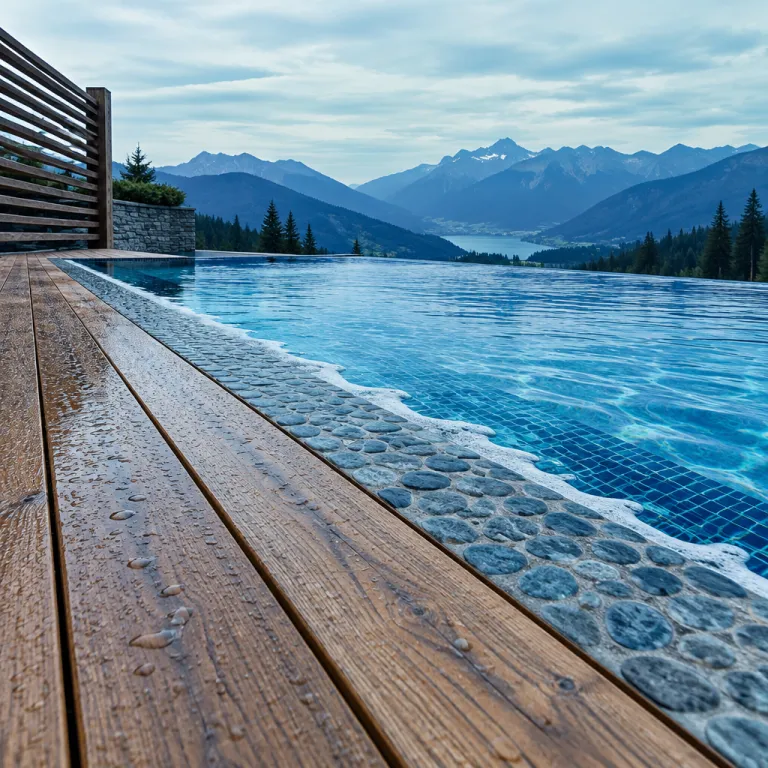
Forestis, a boutique retreat above Brixen in South Tyrol, has become shorthand for a certain kind of quiet luxury, where a spa feels inseparable from the surrounding forest and mountain air. In Slovakia, premium hotels increasingly mirror this forest-forward spa philosophy, placing wellness areas in direct dialogue with spruce slopes, river valleys, and High Tatras peaks. Guests now expect a pool with a clear view of nature, a room that frames the landscape, and an experience that feels both grounded and elevated.
While the original Forestis building stands in the Dolomites, its influence reaches far beyond that location and inspires how Slovak luxury hotels design their own wellness wings. You will notice parallels in how these hotels orient their rooms toward a dramatic view, how they carve saunas into timber clad spaces, and how they use natural materials to blur the line between interior comfort and outdoor wilderness. This Forestis inspired approach suits Slovakia perfectly, because the country’s protected areas and national parks offer outstanding conditions for slow travel and deep rest.
Travelers comparing luxury hotels in Slovakia now often look for a Forestis level of desired privacy, especially in spa suites and pool zones. They want quiet corners, stepped relaxation terraces, and sometimes even a sculpted table for private tea ceremonies after a sauna session. When you browse premium hotels online, pay attention to how they describe their forest surroundings, their nature ski access, and whether their spa design truly integrates the forest rather than treating it as a distant backdrop.
Healing traditions, from tuberculosis sanatoriums to modern forest spas
Long before the word Forestis became a symbol of alpine refinement, Central Europe already understood the healing power of altitude, forest air, and mineral springs. In Slovakia, several spa towns grew around former tuberculosis sanatorium complexes, where conditions prompted doctors to prescribe long stays in pine scented air and gentle mountain sunshine. These historic building ensembles now host modern spa hotels, where the origins Forestis philosophy of pure air and silence feels surprisingly familiar.
When you book a luxury spa stay in places like Piešťany or the High Tatras, you are stepping into a tradition that predates many contemporary luxury hotels. The old tuberculosis sanatorium model emphasized rest, slow walks through the forest, and carefully calibrated hydrotherapy, which aligns closely with today’s Forestis style spa ideals of unhurried wellness. Reading about how these outstanding conditions once supported recovery can help you appreciate why Slovakia’s spa areas still feel so deeply restorative.
For travelers researching Slovakia’s original spa town, this detailed guide to Piešťany and its enduring spa culture shows how historic buildings have been reimagined as contemporary wellness places. Many of these hotels now incorporate forest inspired design, using Tyrolean wooden details, soft textiles, and tiered terraces that echo alpine resorts like Forestis in the Dolomites. When you compare locations, look for properties that respect their sanatorium heritage while offering modern rooms, refined restaurants, and spa programs that feel tailored rather than generic.
Design details that bring a forestis feeling to Slovak spa hotels
What makes a Slovak spa hotel feel as serene as Forestis, even though the Dolomites lie across the border? The answer often lies in small design decisions, from the angle of a window framing a mountain view to the way a sculpted table anchors a quiet reading corner. When a hotel uses Tyrolean wooden finishes, soft natural fabrics, and layered lighting, the rooms immediately feel warmer and more intimate.
Look for spa areas where the pool, sauna, and relaxation rooms are aligned along a single forest facing façade, echoing the linear elegance of the Forestis building. Some Slovak luxury hotels now create an outdoor pool terrace that steps gently down toward the forest, giving swimmers a view that changes with every stroke. This restaurant style of stepped terracing also appears in dining rooms, where guests enjoy forest cuisine inspired menus while watching clouds drift over a distant mountain ridge.
In the High Tatras, properties such as the Grand Hotel Kempinski High Tatras, presented as a refined spa retreat in the High Tatras, show how carefully orchestrated design can create a Forestis level of calm. Here, rooms open toward the lake and mountain slopes, spa suites feature generous use of wood, and the pool area feels like an extension of the surrounding nature. As one spa manager described it, guests often fall silent the moment they step into the panoramic pool hall, because the forest forward view does most of the talking.
Forest cuisine and south Tyrolean inspiration in Slovak restaurants
The culinary side of Forestis, often called forest cuisine or cuisine Forestis, has reshaped expectations for what a luxury hotel restaurant can be. Rather than heavy menus, guests now seek natural flavors, foraged ingredients, and dishes that reflect the forest and mountain area surrounding the hotel. Slovak chefs are responding with tasting menus that echo south Tyrolean clarity while celebrating local produce, game, and herbs.
In several premium hotels, you will find restaurants that reference the Dolomites and south Tyrolean traditions in subtle ways, perhaps through a sculpted table layout that encourages shared plates or a restaurant step arrangement that gives every seat a view. These dining rooms often face the forest or a nearby mountain, creating a view Dolomites style panorama even when you are firmly in Slovakia. When a restaurant integrates forest cuisine principles, each course feels like another layer of the overall spa experience rather than a separate activity.
Pay attention to how hotels describe their restaurants when you book, because the best luxury hotels treat cuisine Forestis inspired menus as central to the stay. Some properties offer special nature ski breakfasts for guests heading to the slopes, while others design multi course dinners that mirror the colors and textures of the surrounding forest. When the restaurant, rooms, and spa all share this Forestis influenced language, the entire place feels coherent, calm, and quietly luxurious.
Choosing the right location, rooms, and spa experience in Slovakia
Selecting a Slovak spa hotel that channels Forestis values starts with the location you choose. Mountain areas such as the High Tatras or Low Tatras offer dramatic views and easy access to nature ski routes, while river valleys and forest fringes provide softer landscapes for walking and cycling. Decide whether you want a place close to a historic building ensemble in town or a more secluded forest setting with maximum desired privacy.
Once you have narrowed the area, study the room categories carefully, because layout and orientation matter as much as size. Look for rooms that face the forest or mountain rather than the car park, and check whether the spa, pool, and sauna are on the same level or spread across several floors. A well planned Forestis style hotel often places its Forestis spa on a quiet south facing side, where outstanding conditions of light and silence support deep rest.
Many Slovak luxury hotels now highlight their outdoor pool, panoramic sauna, and forest relaxation decks as key selling points. When you read descriptions, notice whether they mention stepped terraces, Tyrolean wooden interiors, or direct access to forest trails, because these details show a genuine commitment to a Forestis inspired experience. If you value calm, prioritize hotels that limit day visitors to the spa, since this policy protects the atmosphere for overnight guests and keeps the rooms, restaurant, and wellness spaces aligned in tone.
Connecting Slovak spa stays with wider forestis style journeys
Many travelers now weave Slovak spa stays into longer Central European itineraries that also include the Dolomites and south Tyrolean regions. This approach lets you compare how the original Forestis building and its surroundings feel alongside Slovak mountain hotels that interpret similar ideas in their own landscapes. The contrast between the jagged Dolomites and the softer Tatras or Fatra ranges can be striking, yet the shared emphasis on forest, pool, and spa rituals creates a coherent journey.
One practical way to plan such a trip is to use Slovakia’s rail network to move between spa towns and mountain areas, then continue toward Italy or Austria. A detailed narrative of a long distance train ride through Slovakia’s quiet interior illustrates how peaceful these connections can feel. When your travel days echo the calm of a Forestis style spa, with views of forest and mountain from the train window, the entire experience becomes more restorative.
As you move south toward the Dolomites, you may notice how south Tyrolean hotels lean even more heavily into forest cuisine and nature ski culture. Some properties near the Plose mountain, for example, offer direct ski in access and outdoor pool decks that frame a spectacular view Dolomites panorama. By pairing these stays with Slovak spa hotels rooted in historic building traditions and tuberculosis sanatorium heritage, you create a journey that traces the full arc of the origins Forestis story across borders.
Key figures on Slovakia’s spa and wellness travel
- According to the Slovak Tourism Board, Slovakia hosts 23 officially recognized spa towns, giving travelers a dense network of wellness locations compared with many neighboring countries (see annual tourism statistics published by the national tourism authority at slovakia.travel).
- Data summarized by the European Travel Commission show that wellness motivated trips in Central Europe have increased steadily over the last decade, with Slovakia benefiting from rising interest in nature based stays (refer to the ETC’s “European Tourism: Trends & Prospects” reports on health and wellness tourism).
- Statistics from the High Tatras regional authority indicate that around two thirds of winter visitors combine ski activities with at least one spa or pool visit, confirming the strong link between nature ski holidays and wellness experiences in the region (see regional tourism summaries for the Vysoké Tatry area).
- Industry reports on luxury hotels in Central Europe suggest that properties with a full service spa and outdoor pool can command average daily rates roughly 20 to 25 percent higher than comparable hotels without such facilities, reflecting the premium travelers place on integrated wellness (for example, benchmarking studies by regional hotel associations and consulting firms).
- Surveys conducted by Slovak hotel associations reveal that more than half of international guests cite forest surroundings, mountain views, and quiet rooms as decisive factors when choosing a spa hotel in the country, underlining the appeal of forest forward design (see annual guest satisfaction surveys published by national and regional hotel bodies).
FAQ about luxury spa hotels in Slovakia
Which Slovak regions best match a forestis style spa atmosphere ?
The High Tatras, Low Tatras, and Orava regions offer the closest match, thanks to dense forest cover, clear mountain views, and a strong spa tradition. These areas combine ski access, hiking trails, and quiet valleys that suit travelers seeking a Forestis level of calm. When booking, prioritize hotels on the edge of protected forests rather than in busy town centers.
How can I tell if a Slovak spa hotel truly focuses on nature ?
Look for photos showing the pool, sauna, and relaxation rooms facing the forest or mountain rather than the street. Descriptions that mention outdoor pools, forest trails starting from the hotel, and natural materials in rooms usually indicate a genuine nature focus. Guest reviews often confirm whether the atmosphere feels calm and whether the location is as quiet as advertised.
Are Slovak spa hotels suitable for non skiers in winter ?
Yes, many luxury hotels in Slovakia design their spa programs for guests who never set foot on a ski slope. You will find extensive sauna worlds, indoor and outdoor pools, and wellness rituals inspired by forest air and mineral springs. Non skiers can enjoy snowshoe walks, carriage rides, and long spa sessions while others are on the mountain.
Do Slovak spa hotels offer cuisine similar to south Tyrolean forest cuisine ?
Several high end properties now serve menus influenced by forest cuisine, using local game, mushrooms, herbs, and seasonal vegetables. While the flavors reflect Slovak terroir rather than south Tyrolean recipes, the philosophy of light, nature inspired dishes is similar. Tasting menus often pair regional wines with courses that echo the colors and textures of the surrounding forest.
What is the best way to combine Slovak spas with a trip to the Dolomites ?
Many travelers fly into Vienna or Kraków, then travel by train or car to Slovak spa towns and the High Tatras before continuing south toward Italy. This route allows several nights in Slovak wellness hotels followed by stays near the Dolomites and Plose mountain. Planning at least two or three nights in each location gives enough time to enjoy both spa rituals and outdoor activities.