Record arrivals, weak receipts: why premium stays matter in travel slovakia
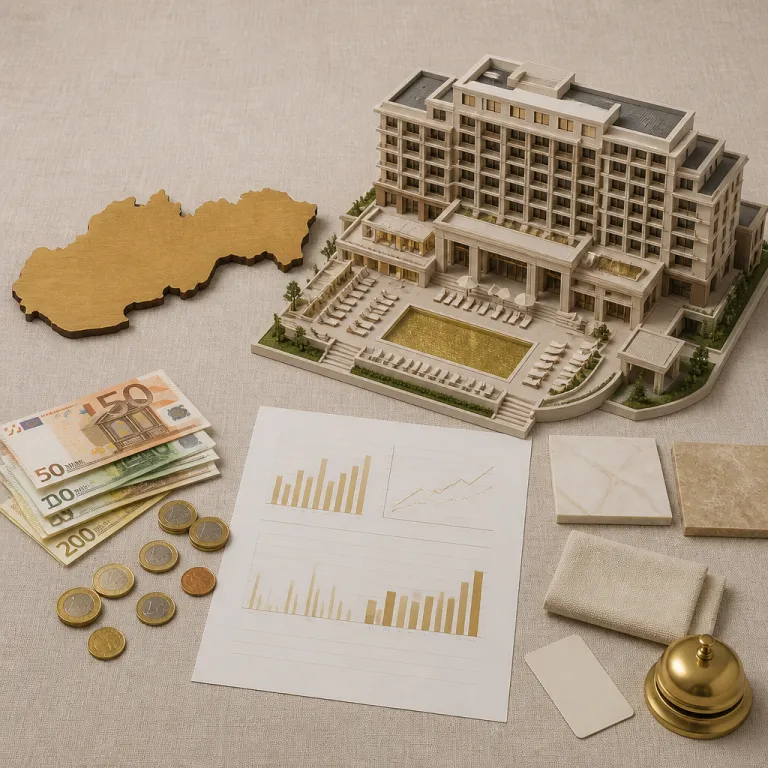
UniCredit Bank’s latest economic analysis of Slovakia’s tourism sector delivers a sharp message for anyone planning to travel Slovakia for work or leisure. Foreign tourism receipts have slipped to around 1.8 percent of GDP while arrivals hit record levels, which means the country is attracting visitors but not persuading them to spend at the level seen in neighbouring European countries. For luxury and premium hotel guests, that gap is an opportunity to secure high service standards in a European country where room rates still lag Prague or Budapest.
The report highlights that Slovakia’s hotel occupancy rate sits near 30 percent, compared with an EU average close to 50 percent, and this underuse is most visible outside Bratislava and the High Tatras resort area. UniCredit’s economists compare receipts with countries including Czechia and Hungary, which reach roughly 3 and above 5 percent of GDP, despite no decisive edge in natural sights or heritage over this country. As UniCredit economist Ľubomír Koršňák notes in the 2023 tourism analysis “Tourism in Slovakia: still under its potential” (UniCredit Bank, September 2023), “The issue is not Slovaks spending abroad (2.7% of GDP, near EU average) but too few foreigners spending in Slovakia.”
For the high end of travel Slovakia, the implication is clear: premium hotels and resorts must capture more spend per guest rather than chase raw entry numbers. That means curating the best things Slovakia already does well, from mountain wellness to cellar dining, and packaging them so business leisure travellers extend stays beyond a single night. When planning passport stamps and a Schengen Area itinerary, an extra night in a top property can shift both the on-the-ground experience and the local balance sheet.
Luxury travellers weighing entry requirements for Slovakia will find the rules aligned with the wider Schengen Area, but the spending patterns differ sharply from other European Union destinations. The government has responded by creating a dedicated Ministry of Tourism and Sports in 2023, signalling that national authorities now treat tourism receipts as a strategic priority rather than a side effect of cross border crossings. For guests, that policy shift should translate into better transport links, clearer travel advice and more coordinated promotion of regions like Liptov and the High Tatras, where premium hotels already operate below potential capacity.
Safety and health care standards remain strong by regional measures, reassuring travellers who combine meetings in Bratislava with hiking or spa time in alpine areas. Comprehensive travel insurance that covers medical costs and evacuation still matters, because even in a well regulated European country, private clinics and mountain rescue services can be expensive. Before entry and during any stay, it is worth monitoring local media and advice from local authorities, especially during winter when weather can disrupt road access and complicate entry exit plans.
For US based visitors planning to travel Slovakia, the consular map is straightforward but worth understanding in detail. The US embassy in Bratislava provides consular services for the whole country, while several European countries maintain an embassy consulate presence that can assist their own nationals with passport issues or emergency health care coordination. Travellers who hold dual nationality or move frequently across the region should check which embassy or consulate covers them before departure and save emergency numbers alongside hotel contacts.
Bratislava and the business leisure pivot: where luxury already closes the gap
Bratislava is where the receipts story becomes tangible for business travellers who extend a stay into leisure and want the best things Slovakia can offer without fanfare. The capital’s premium hotels sit within walking distance of the Danube embankment and the compact Old Town area, yet average daily rates remain below comparable European Union capitals. That pricing gap, combined with relatively low occupancy, allows discerning guests to secure suites and river facing rooms that would be far costlier in other countries.
Executives flying in for regional meetings often treat Bratislava as a quick entry exit point for the Schengen Area, then move on to Vienna or Budapest where marketing budgets are louder. UniCredit’s analysis suggests that this pattern suppresses per visitor spend in Slovakia, even as total travel numbers rise. To reverse that, the new Ministry of Tourism and Sports will need to coordinate with the transport ministry, airport operators and local authorities so that premium properties can package longer stays with curated dining, gallery access and wine country excursions.
One address already playing at this level is the Radisson Blu Carlton Hotel on Hviezdoslavovo námestie, which anchors many corporate events and high profile stays in the heart of the Slovak capital. Our detailed review of the Radisson Blu Carlton Hotel Bratislava shows how a heritage property can combine discreet service with efficient meeting spaces and a lobby bar that attracts both guests and local professionals. When you travel Slovakia for business, booking such a property directly rather than through anonymous platforms helps ensure more of your spend reaches the hotel’s own équipe and, by extension, the local supply chain.
From a safety and health perspective, Bratislava functions like any mid sized European capital, with reliable emergency services and a dense network of pharmacies and clinics. Travellers should still carry proof of travel insurance that includes medical coverage, because private consultations and hospital stays can be costly without it. If you are a citizen of another European Union country, your European Health Insurance Card can support access to public health care, but it does not replace comprehensive insurance for cancellation or lost luggage.
For US visitors and other non EU nationals, the passport and entry requirements for Slovakia mirror those of the wider Schengen Area, though specific rules can change as the European Travel Information and Authorisation System rolls out. Always verify current entry rules through your own government’s travel advice pages and, when in doubt, contact the Slovak embassy or an appropriate embassy consulate before departure. Once in the country, follow instructions from local authorities in case of any security incident, and monitor local media for updates on demonstrations or transport disruptions that might affect your plans.
Consular services in Bratislava are concentrated within a small urban area, which simplifies access if you need emergency passport assistance or legal guidance. The US embassy, several European embassies and regional consulates coordinate closely with Slovak authorities on safety messaging, especially during large events or political gatherings. When checking into a hotel, it is worth noting the nearest embassy or consulate contact details and asking the concierge for advice local to the neighbourhood on any areas to avoid late at night.
High Tatras, Liptov and the quiet luxury that could rebalance the numbers
Move north from Bratislava and the UniCredit analysis reads differently once you reach the High Tatras and the Liptov region, where the landscape already matches the best alpine areas in Central Europe. Here, the receipts gap is less about lack of product and more about underexposed premium stays that international travellers barely see in their feeds. For those planning to travel Slovakia with a focus on nature, this is where the country’s quiet luxury becomes most compelling.
Flagship properties around Štrbské Pleso and Tatranská Lomnica offer spa suites, lake views and tasting menus that would feel at home in Austria, yet rates remain comparatively gentle. Our in depth review of the Grand Kempinski High Tatras above Štrbské Pleso shows how a restored lakeside palace can anchor a long weekend of hiking, wellness and cellar dining without the crowds found in other European mountain resorts. When you travel Slovakia for a mix of meetings and mountains, pairing a Bratislava city stay with a High Tatras retreat can turn a routine trip into one of the best things you do all year.
In these regions, safety and health considerations are more about altitude, weather and trail conditions than urban crime, so it pays to monitor local media and follow instructions from mountain rescue services. Travel insurance that covers mountain sports and emergency medical evacuation is essential, because even in a well organised European country, helicopter rescues and private clinic stays can be expensive. Before setting out, check advice local to your trail from park rangers or hotel guides, and respect any instructions local authorities issue about avalanche risk or storm warnings.
Border crossings into northern Slovakia from Poland or the Czech Republic are usually straightforward for Schengen Area travellers, but winter storms can disrupt road access and extend journey times. Drivers arriving from neighbouring countries should keep passports and vehicle documents accessible for any spot checks by Slovak police or customs officers. Non EU nationals ought to confirm entry requirements with their own embassy or a relevant embassy consulate, especially if they plan to combine Slovakia with other European Union destinations on a single itinerary.
For guests who want their spending to support local communities, the Liptov and High Tatras areas offer clear ways to channel money into the regional economy. Choosing hotels and guesthouses that employ Slovak staff year round, partner with local guides and source ingredients from nearby farms, then spending on guided hikes, spa treatments and cellar tastings rather than only on room rates, helps close the receipts gap highlighted by UniCredit while delivering some of the best things Slovakia offers at the high end of hospitality.
Finally, long distance rail remains an underused asset for premium travellers who prefer to avoid short haul flights between European countries. Our feature on a long distance train ride through Slovakia’s quiet interior explains how to thread together city stays and mountain retreats with minimal stress. By aligning movements with rail timetables, local authorities’ safety guidance and home government travel advice, it becomes possible to turn a simple transfer into a slow travel experience that feels both efficient and indulgent.
Sources
UniCredit Bank economic analysis of Slovakia’s tourism sector (Tourism in Slovakia: still under its potential, UniCredit Bank, September 2023); The Slovak Spectator travel and business coverage; Official information from the Ministry of Tourism and Sports of the Slovak Republic.